
Key Takeaways
- An under-bed restraint system runs a flat strap beneath your mattress, creating hidden anchor points for cuffs at the four corners of the bed. Under-bed systems typically include four attachment points-two for wrists, two for ankles-and the system is hidden when not in use for complete discretion.
- Mattress and bed-frame compatibility, cuff design, and adjustable straps are the three biggest factors that decide comfort, safety, and how intense the restraint feels. Quality under-bed systems hold 250 to 300 pounds safely, but only when paired with the right bed setup.
- These systems are ideal for beginners and most couples because they're discreet, require no drilling or complex knots, and take just minutes to set up. They work beautifully for penetration, sensation play, tickling, and light impact play-but they are not suitable for suspension or heavy impact scenes.
- Before buying, look for quick-release cuffs, body-safe materials, and clear product specs. Start with a mid-range kit that offers padded cuffs and solid hardware, then upgrade as you learn what you enjoy.
Introduction: Why Under-Bed Restraints Are So Popular
If the idea of restraint sounds exciting but buying a full BDSM dungeon bench feels like a bit much, under-bed restraints are where most couples start-and many never feel the need to move beyond them. A bed restraint system slides invisibly beneath your mattress, turning your ordinary bedroom into a play space without a single drill hole or awkward piece of furniture to explain to visitors.
These kits have exploded in popularity since the early 2000s because they solve the main problems beginners face: they don't require rope skills, they set up in minutes, and they vanish between uses. In 2026, you'll find entry-level kits between $80 and $120, mid-range systems around $60–$120, and premium leather options from $250 to $400. The range is wide, and the right choice depends on your bed, your body, and what kind of fun you're after.
This post is a practical buying guide. We'll cover how these systems actually work, which beds they fit, what to look for in cuffs and straps, and how to use them safely. Whether you're brand new to kink or just shopping for a better setup, you'll walk away knowing exactly what to buy.
How Under-Bed Restraint Systems Work
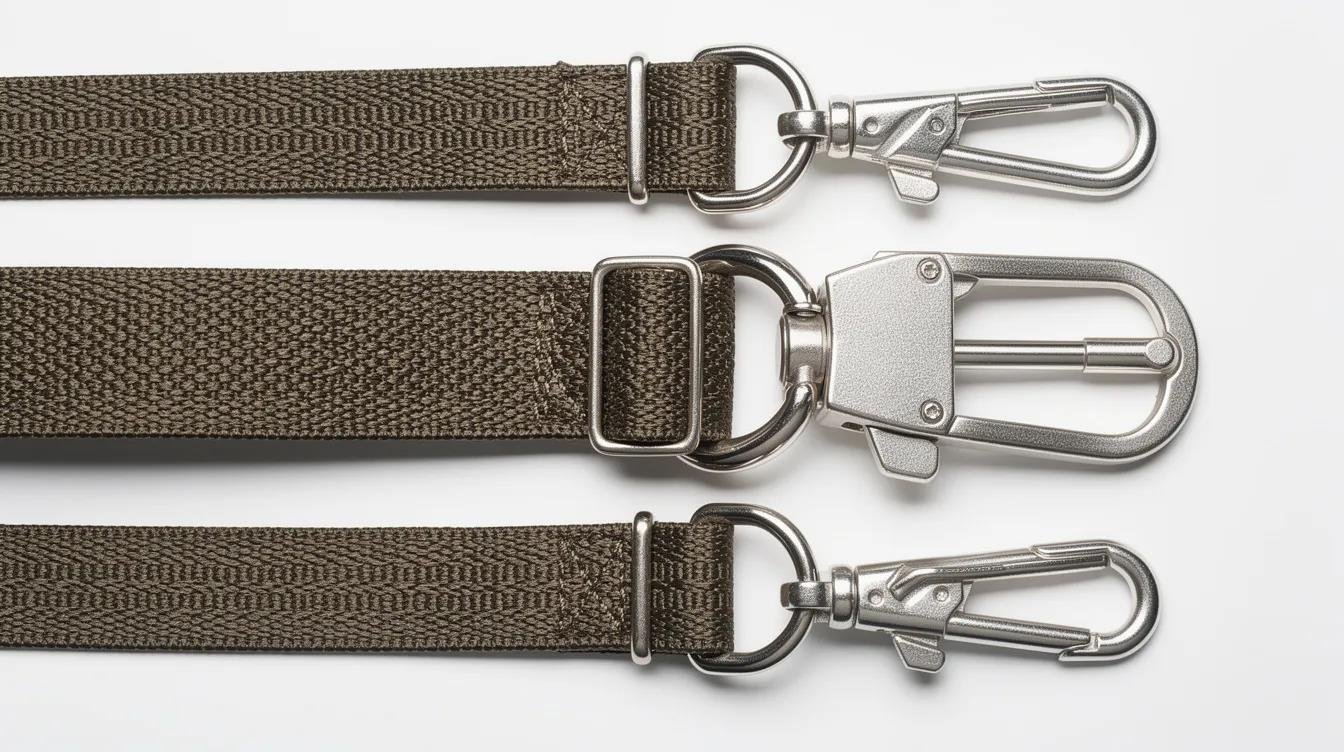
Most under-bed systems share the same basic architecture: a central connector strap runs head to foot underneath the mattress, with four arms extending toward each corner. A flat strap slides under the mattress, and the mattress's own weight anchors everything in place. The arms end in D-rings or carabiners where cuffs clip on for quick adjustments.
Think of the layout as an "H" or "X" shape hidden beneath your bed. Heavy-duty steel frames or hightensile nylon straps form the webbing, and the whole thing stays secure as long as your mattress and frame are sturdy enough. Quality systems can hold 250 to 300 pounds safely under standard conditions.
Fixed-point bed restraints can immobilize joints in set positions-spread-eagle, starfish, or knees bentdepending on how you route the arms.
These systems are inherently horizontal. They're excellent for lying or kneeling positions but cannot support standing restraint or any form of suspension. That's by design, not a flaw.
Setup, Adjustment, and Storage
Here's the realistic process: strip your bedding, lay the central strap along the length of the mattress, position it so all four arms reach the corners, and drop the mattress back on top. Setup takes 2-3 minutes to complete for experienced users, or about 5–10 minutes the first time as you figure out alignment.
Good systems use clearly marked or color-coded adjustable straps so you can quickly lengthen or shorten arms to fit a twin, queen, king, or California king size bed. Once play is over, tuck the straps back under the mattress or coil them into a drawer. Some kits include a storage pouch-a real plus if you share your space or travel often. Nobody walking into your room will have any idea what's underneath.
What They're Best (and Worst) At During Play
Under-bed restraints excel at scenes where your partner is lying on the bed-face-up penetration, oral sex with limited movement, sensation play like ice or feathers, tickling, and slow teasing sessions. They also support light impact play: hand spanking, paddles, and similar tools work well because the mattress absorbs force and keeps the restrained partner comfortable for hours if needed.
Avoid face-down positions to ensure unobstructed breathing when your partner is restrained-or at minimum, monitor breathing closely and keep communication constant. These systems cannot safely provide suspension, swing-like motion, or the full body access you'd get from a St. Andrew's cross. If
your interests lean toward heavy flogging or vertical bondage, you'll eventually want dedicated furniture. But for bed-based play, nothing beats the convenience.
Mattress and Bed Compatibility
Even the best bed restraint system fails on the wrong bed. This section is your practical checklist.
Mattress types that work well: Innerspring, hybrid, and heavy memory foam or latex mattresses typically weigh 80–100+ pounds for a queen, providing enough weight to anchor straps firmly. Do not use under-bed systems with a mattress under 100 pounds-ultra-light foam, inflatable air mattresses, and thin futons allow too much strap shift.
Frame types: Traditional frames with slats or a box spring, metal platform beds, and solid platform bases all work. Ensure your bed frame is sturdy for safe use of restraints. Avoid using under-bed systems on unstable or wobbly bed frames, and be cautious with adjustable bases that have moving head or foot sections, as these can pinch or strain straps.
Always ensure under-bed restraints are compatible with your bed size and frame type. Measure your mattress dimensions and check product listings for minimum and maximum strap lengths before purchasing. Identify gaps between the mattress and restraint as potential entrapment risks-straps should lie flat without bunching or catching on frame edges.
Beds That Work Well vs. Beds to Avoid
Good setups:
- Queen innerspring on a wooden slat frame
- King hybrid on a metal platform base
- Full mattress on a traditional box spring
Problematic setups:
- Thin futons or floor mattresses
- Murphy beds that fold into the wall
- Adjustable bases with split head/foot sections
- Ultra-minimalist platforms with sharp edges
Before a full scene, test your setup: pull firmly on each cuff anchor, wiggle the mattress, and make sure nothing slips, tips, or creaks. If anything feels loose, adjust the strap tension or reconsider the bed entirely. Do not use restraints on unstable or lightweight beds. Renters and people who can't drill into walls or a headboard often choose under-bed restraints precisely because they leave no marks or permanent hardware behind.
Cuff Design, Adjustability, and Overall Comfort
Cuffs are where the system meets skin, so their design matters more than many beginners realize. Use padded cuffs to avoid discomfort or marks-soft padding on cuffs prevents chafing and bruising during use, especially in scenes lasting 30–60 minutes or longer.
Common materials include soft neoprene, faux leather, real leather, and basic webbing. Neoprene is forgiving and easy to clean. Faux leather wipes down quickly. Real leather molds to the body over time but requires conditioning and can't be sterilized. Closure types matter too:
Closure Type Pros Cons
Velcro (hook-and-loop) Fast release, beginner-friendly Can wear out, escapable under force
Buckle More secure, adjustable Slower to release
Locking Maximum security Requires keys, not for beginners
Quick-release mechanisms are essential for safety in restraint systems-prioritize them, especially if you're new to play.
Fit, Adjustable Straps, and Positioning
Good soft cuffs should sit snug around your partner's wrists and ankles-tight enough not to slip off when pulled against, but loose enough to protect circulation. The Two-Finger Rule helps prevent circulation cut-off in restraints: if you can slide two fingers between the cuff and skin, the fit is right.
Adjustable straps help accommodate different body types and positioning needs. High-quality kits allow independent adjustment of each limb, so you can place your partner in a specific position-spread-eagle,
bent-knee, on their back or stomach-without straining joints or arms. Look for swiveling hardware like rotating clips or D-rings so cuffs don't twist uncomfortably when the restrained partner moves.
Some products allow cuffs to detach from the straps entirely, making them versatile enough to use with door-jam anchors or furniture legs around the house. Couples interested in rougher play should invest in sturdier cuffs with reinforced stitching and metal hardware.
Comfort, Soft Cuffs, Allergies, and Material Safety
Cuffs and straps contact bare skin and sweat for extended periods. Choose body-safe materials whenever possible. Nickel allergy affects roughly 18% of people in North America, so look for "nickelfree" hardware if you or your partner have sensitive skin. Latex can also be present in neoprene adhesives-verify with the manufacturer if latex allergy is a concern.
Wash or wipe fabric cuffs after sweaty or lube-heavy scenes. Leather requires gentle wiping and occasional conditioning but should never be soaked. Vegan buyers can choose neoprene or faux leather and skip real leather entirely. Read long-term product reviews for comfort feedback-first impressions don't tell you how materials hold up after hours of use across multiple sessions.
Safety, Consent, and Ease of Release
This section covers non-negotiables. A good bed restraint system should allow the person in control to release cuffs in seconds without needing special keys or complicated knots. Quick-release mechanisms should be accompanied by emergency cutting tools for safety-keep a pair of safety shears in the bedside drawer whenever you play.
Periodic checks for circulation issues are vital when using restraints. Check circulation regularly during restraint use by monitoring skin color, temperature, and any tingling in hands or feet. If numbness or blueness appears, release the cuffs immediately. Ensure adherence to applicable safety requirements and standards for restraints-never use under-bed systems for suspension or any scenario where a fall could occur.
Communication, Safewords, and Negotiation
Consent is vital for any sexual activity. Before anything gets tied, talk openly with your partner about what excites you both and what's off-limits, and keep it casual enough to confirm everyone feels cool before starting. Discuss safe words before using restraints-a simple system like "green / yellow / red" works well. Establish a safe word for effective communication during restraint use, and agree on hand signals or a dropped object if the restrained person might be unable to speak clearly. Note that consent should be clearly acknowledged before the scene begins.
Check in regularly to ensure ongoing consent during play. If your partner uses a safeword or withdraws consent in any way, stop immediately. No exceptions, no negotiation.
After the scene, spend time on aftercare: hold each other, talk about what felt good, what felt awkward, and what you'd change. This conversation deepens intimacy and trust more than the restraint itself ever could.
Practical Safety Checks Before and During Use
Before each scene, run through this checklist:
- Inspect straps and stitching for frays or wear
- Test buckles, clips, and Velcro for secure hold
- Confirm the bed frame is stable-no loose rails, no wobble
- Remove fragile items from nearby surfaces
- Place safety scissors within arm's reach
Regular inspection and maintenance of restraints are crucial for safety. Evaluate device compatibility to avoid entrapment hazards when using restraints-make sure nothing can snag or catch between the mattress and frame.
Avoid placing cuffs directly over joints. Position them slightly behind the wrist or ankle where there's more muscle and padding. Set a mental timer to check comfort every 10–15 minutes. Start slow with shorter, gentler scenes and gradually build intensity as you both learn how your body responds to being held in place.
Buying Guide: How to Choose the Right Under-Bed Restraint System
Time to make a decision. Start by identifying where you fall:
- Complete beginner: You want something simple, comfortable, and not intimidating.
- Curious but cautious: You've experimented a bit and want quality that won't disappoint.
- Experienced player: You need a reliable, quick-deploy system for regular sessions.
From there, follow this order: check bed compatibility first, then choose a cuff style, confirm strap adjustability, decide on intended use (gentle teasing vs. moderate play), and set your budget. Evaluate material and build quality before purchasing under-bed restraints-it's the most important thing separating a system that lasts from one that fails mid-scene.
Key Product Evaluation Criteria
Criteria What to Check
Build quality Webbing width, double stitching, hardware metal grade
Cuff comfort Width (2–3"), padding, lining, closure type
Hardware strength Metal D-rings vs. plastic clips, swivel capability
Compatibility Fits your size bed, frame type, mattress weight
Setup/storage Easy to install, discreet when idle, pouch included?
Warranty Extended or lifetime on straps; return policy
Verify the maximum weight and tension ratings of under-bed restraint systems-quality systems support weights of 250 to 300 pounds. Prioritize structural integrity and risk prevention in restraint systems. Sportsheets is a leading brand for under-bed restraint systems, offering a limited lifetime warranty on their main webbing. Browse verified reviews that mention real-world issues like strap slipping and how adjustable straps hold up over time.
Matching Your System to Your Play Style
Connect what you fantasize about to the features you need:
- Gentle exploration and sensation play: Prioritize comfort, soft cuffs, and quick release. You want enough space to tease without your partner feeling trapped.
- Penetration and tease: Choose four-point systems with long adjustable straps for flexible positions. Being able to experiment with spread-eagle, knees bent, or face-up/face-down gives you room to discover what's sexy for both of you.
- Light impact play: Prioritize a sturdy bed setup with secure but padded cuffs and straps that don't creep looser when pulled sharply. The feeling of control should be consistent.
You can always expand later with spreader bars, extra cuffs, or dedicated furniture once you know what lights you up. There's no pressure to buy everything at once-the idea is to start where you're comfortable and grow from there.
Final Verdict: Who Under-Bed Restraints Suit Best
Under-bed restraint systems are suited for beginners, couples in shared homes or apartments who need discretion, and anyone who wants versatile, bed-based bondage without permanent hardware. They
support your sex life without taking over your bedroom. Setup is fast, storage is invisible, and the learning curve is gentle enough that even your first scene can feel more exciting than awkward.
They're less ideal for people primarily interested in heavy impact, suspension, or hardcore scenes that demand specialized furniture or advanced rope and handcuffs skills. If those are your goals, an underbed system can still serve as a complement, but it won't be your primary tool.
If you're on the fence, start with a mid-range system that offers padded cuffs and solid hardware. Use it a few times, laugh at the inevitable fumble with the first setup, and pay attention to what makes you both want more. The right system is the one that fits your bed, feels safe, and supports the kind of connection and play you actually want to explore.
FAQ: Under-Bed Restraints
These questions cover everyday concerns and practical details that didn't fit neatly into the sections above.
Can anyone tell I have under-bed restraints if they look at my bed?
No. Most systems are designed to be invisible once set up-straps lie flat under the mattress, and cuffs can be tucked into the gap between mattress and frame or removed entirely and stored in a drawer. The only giveaway might be a small bit of strap or a metal ring near the mattress edge. Tuck those under the mattress or hide them behind pillows when expecting company. No drilling, no permanent hardware, no evidence.
Can I use an under-bed restraint system in a hotel or Airbnb?
In many hotels and rentals with standard mattresses and solid frames, under-bed restraints work fine. Do a quick stability test first-press down on the mattress, give the frame a gentle shake-and avoid visibly fragile antique or wobbly beds. Pack the kit discreetly in a pouch, and remove everything when you check out, leaving no trace behind.
Will under-bed restraints hurt or leave marks on my wrists and ankles?
Well-padded, properly fitted cuffs should not cause pain or bruising during typical use. Some temporary redness or faint impressions are normal, especially on sensitive skin, and usually fade within minutes to a few hours. If you notice tingling, numbness, or sharp pain, loosen the cuffs immediately, shorten the scene, or switch to wider, softer materials. Never place cuffs directly over the middle of a joint.
How do I clean and care for my bed restraint system?
Check manufacturer instructions first. Most fabric straps and neoprene cuffs can be spot-cleaned with mild soap and warm water, then air-dried fully before storage. Leather cuffs need gentle wiping and occasional conditioning but should never be soaked. Dry metal hardware thoroughly to prevent rust. Inspect your system regularly for frayed stitching or worn Velcro and replace any component that shows significant wear before it fails during a scene.
When should we upgrade from a basic kit to more advanced bondage gear?
Consider upgrading when you consistently use your under-bed system, feel confident with communication and safety, and find yourselves wanting positions or intensity the bed alone can't
provide. Next steps might include spreader bars, extra cuffs, door-jam straps, or dedicated furniture for impact play. But there's no schedule or obligation to level up-if your current gear supports safe, enjoyable scenes, it's doing exactly what it should.