
Key Takeaways
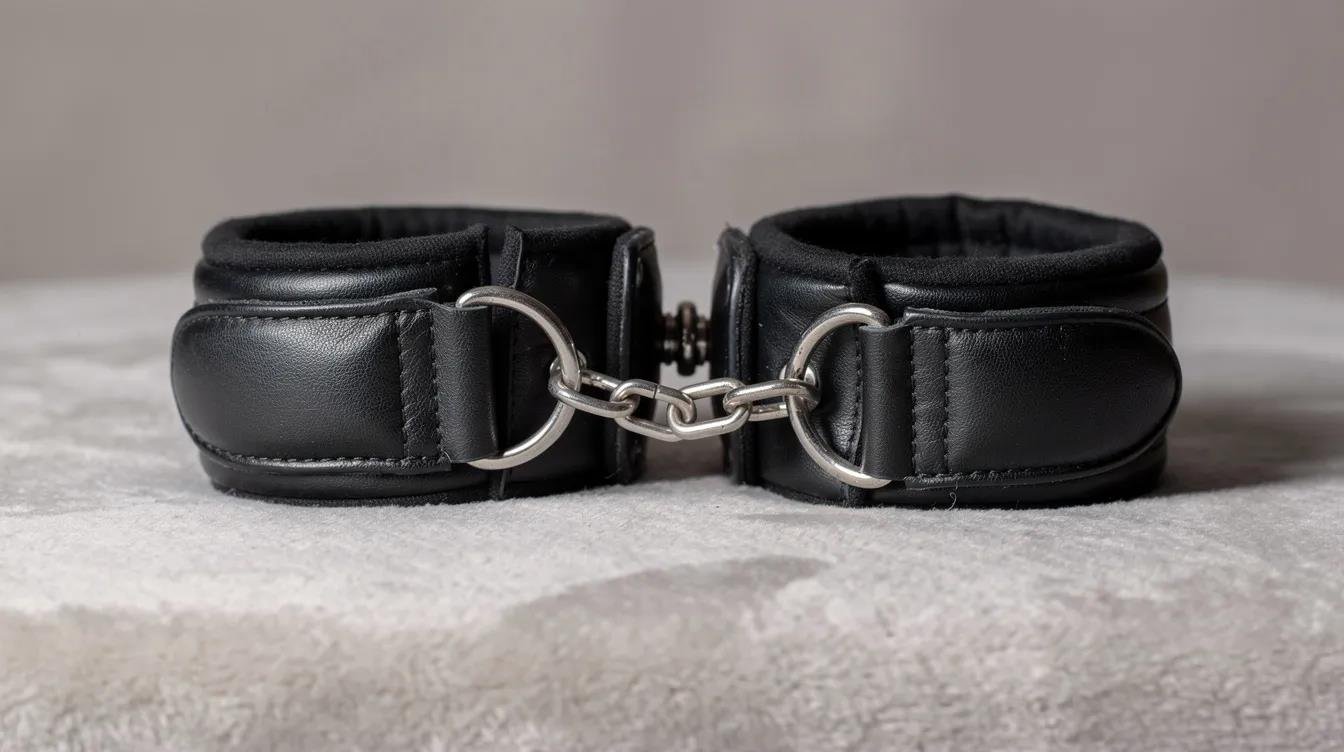
- Soft restraints like padded leather cuffs, PU cuffs, and neoprene cuffs are usually the safer, more comfortable starting point for beginners exploring light bondage.
- Metal handcuffs (including fluffy handcuffs and standard chain cuffs) deliver stronger, more rigid restraint but come with a steeper learning curve and higher risk of bruising, nerve compression, and circulation issues.
- The core comparison points that matter most for first-timers are comfort, adjustability, quick release mechanisms, durability, and how intense the restraint is meant to feel.
- Soft cuffs are ideal for beginners exploring light bondage because they reduce the risk of skin irritation, distribute pressure evenly, and feel less intimidating than cold steel.
- The right cuffs ultimately depend on your play style, safety awareness, and whether you want a playful introduction or a more psychologically intense experience.
Introduction: Soft Restraints vs Metal Cuffs for First-Time Bondage
If you're stepping into bondage for the first time, the gear aisle can feel overwhelming. Soft restraints or metal handcuffs? Leather or steel? Velcro buckles or tiny keys? The choice matters more than most beginners realize, because the wrong pick can turn an exciting evening into an uncomfortable-or even unsafe-one.
This guide breaks down everything you need to know about soft restraints vs metal handcuffs for beginners. Here's what we'll cover:
- Soft restraints include leather cuffs, PU (synthetic leather) cuffs, neoprene cuffs, fabric wrist straps, and other padded leather restraints designed specifically for bedroom use.
- Metal handcuffs and metal restraints include classic police-style metal cuffs, metal ones with chain connectors (chain cuffs), rigid bar-style cuffs, and novelty fluffy handcuffs with plush covers.
- We'll compare comfort, adjustability, quick release, durability, and learning curve-then move into specific scenarios and a buying checklist.
- This guide focuses entirely on intimate, consensual play between adults, not law-enforcement or professional security applications.
Soft Restraints 101: What Counts as "Soft" (and Why Beginners Love Them)
Soft restraints span a range of materials, but they all share one design philosophy: distribute pressure, prioritize comfort, and make release easy. Here's what falls into this category:
- Padded leather cuffs use genuine or chrome-tanned leather with a soft inner lining. Leather cuffs minimize friction and irritation during use, and they mold to the body over time for a progressively better, more comfortable fit. Quality leather is slightly structured but forgiving, conforming to wrist motion during play.
- PU (faux leather) cuffs are budget-friendly, vegan-friendly, and lighter. PU wrist cuffs are lightweight and breathable for beginners, making them a solid entry point without a big investment.
- Neoprene and fabric cuffs are the most forgiving of all. Neoprene handles moisture well, while fabric and Velcro designs are easy to clean and adjust on the fly.
Soft cuffs reduce the risk of skin irritation during use because they spread pressure over a wider area than metal, eliminating the sharp pinch points that rigid restraints create. Many soft restraint designs use slippage-resistant fasteners for easier adjustment, and most come with built-in quick release mechanisms-large buckles, Velcro closures, or simple clips-so you never have to fumble with tiny keys in the dark.
Psychological comfort is a key benefit of soft restraints for beginners. Leather restraints can feel luxurious and stylish rather than intimidating, helping anxious first-timers relax into the experience. Soft cuffs can accommodate various body shapes and are versatile for learning, making them ideal for common beginner scenarios: hands in front, wrists to the headboard, or gentle roleplay.
Metal Handcuffs & Metal Cuffs: What You're Really Getting Into
Metal handcuffs are solid steel or plated metal restraints, usually with a ratcheting arm and key lock. They're designed for secure immobilization-originally for law enforcement, not pleasure. Here's what you should know about the main types:
- Chain cuffs are the standard police-style design with a short chain link between the two cuffs, allowing some wrist movement.
- Hinge cuffs replace the chain with a hinge, offering enhanced control and drastically reducing lateral wrist movement.
- Rigid cuffs use a solid bar, keeping wrists in a fixed position. These are advanced gear, not beginner territory.
Metal cuffs are unforgiving and narrow, concentrating pressure on a small area. Metal cuffs can pinch and restrict circulation if too tight, and even brief misuse can lead to nerve compression. A 2023 systematic review of 807 restraint episodes found that the superficial radial nerve was affected in 82% of wrist and hand injury cases studied, with approximately 6% of examined hands showing bony injuries like fractures.
Fluffy handcuffs provide comfort and are visually appealing, but they're fundamentally metal restraints underneath a faux-fur sleeve. The plush cover reduces some surface discomfort but doesn't change the rigid, narrow pressure profile or the ratchet mechanism underneath.
Metal ones are heavier, colder to the touch, and psychologically more "serious." Metal handcuffs provide absolute security and do not budge once locked-which some users love, but which can overwhelm true beginners. Most metal cuffs rely on small keys, and once engaged, the double-lock mechanism in metal handcuffs prevents tighter ratcheting, but mastering this feature takes practice.
Comfort, Adjustability & Safety: Why Soft Cuffs Usually Win for Beginners
For a first bondage session, comfort is the foundation of trust. If someone feels pain, panic, or discomfort, the scene ends-and possibly the desire to explore further. This is where soft cuffs consistently outperform traditional metal cuffs.
Leather cuffs and PU cuffs typically offer multiple buckle holes or Velcro-style closures, giving precise adjustability. Adjustable cuffs allow for a range of tightness levels, so you can dial in a secure fit without guesswork. Contrast this with metal handcuffs, which have discrete ratchet "click" positions-often ending up either too tight (risking circulation) or too loose (causing chafing, slipping, and sudden tightening when the wearer moves).
Here's what matters for beginner comfort and safety:
- Width and padding: Wider cuffs with soft lining distribute force across more skin. Leather cuffs reduce pressure points compared to metal cuffs and provide a warm, cushioned feeling against the wrists.
- Edge finishing: Rounded, finished edges on leather or neoprene prevent abrasion. Metal cuffs can pinch and cut into the skin at ratchet teeth and along narrow edges.
- Circulation monitoring: Check color, warmth, and feeling in the fingers every few minutes regardless of material-but soft materials reduce risks of nerve damage and circulation cutoff when used improperly, giving you a wider margin for error.
- Ill-fitting cuffs can cut off circulation. Poorly fitted cuffs create unnecessary pressure points. Well-fitted cuffs prevent circulation restriction. Cuffs that are too tight can cause injury with any material, but soft cuffs are more forgiving of minor mistakes.
- Leather cuffs are safer for extended wear than metal cuffs. Soft cuffs provide a comfortable fit for extended wear because the material flexes and breathes rather than digging into tissue.
Using the least restrictive effective method is crucial for restraint safety. For beginners, this almost always means starting with soft restraints and hands in front-attached to a sturdy headboard or underbed strap system-rather than behind-the-back positions with metal cuffs, which clinical case reports have linked to lasting nerve damage in as little as 45 minutes.
Quick Release Mechanisms, Escape Risk & Enhanced Control
The ability to get out of restraints quickly is non-negotiable, especially for beginners still building trust and communication habits. Here's how the two categories compare:
- Soft restraints: Most modern soft bondage cuffs feature Velcro closures, large buckles, or easyto-reach carabiners. Soft restraints can be quickly released in an emergency, unlike metal restraints that depend on a key. This lets the submissive partner feel secure without feeling trapped.
- Metal handcuffs: Classic metal cuffs require a key for release, risking complications if the key is lost or dropped. Double-lock features prevent accidental tightening but add another step to the release process-one that can cause genuine panic if fumbled.
- Enhanced control vs. overwhelm: Metal handcuffs-especially hinge or rigid styles-deliver intense restraint and drastically limit movement. For experienced players exploring power dynamics, this is the point. But for beginners, too much enhanced control can trigger claustrophobia, anxiety, or a freeze response, especially during longer scenes.
A well-fitted pair of leather cuffs connected by a short chain provides strong, satisfying restraint with some movement, balancing security and comfort. Soft restraints allow beginners to focus on communication and positioning without rigid hardware getting in the way.
Safety best practices: Always keep keys in a visible, consistent position. Have backup keys. Keep safety shears nearby for fabric or Velcro straps. And always agree on a safe word before any scene begins.
Durability, Materials & Sizing: Leather Cuffs vs Metal Ones Over Time
- Leather cuffs and quality leather restraints can last many years with basic proper care. Genuine leather breaks in over time, becoming softer and more body-conforming with each session. Apply a leather conditioner every few months and wipe down with a damp cloth after use to keep the material supple.
- PU and neoprene cuffs are easier to clean (mild soap, water, air dry) but have a shorter lifespan. PU may crack or peel over time, especially at stress points.
- Metal cuffs are mechanically durable-steel resists tearing and weight. But cheap plating can wear, ratchets can stiffen or get gritty, and rust is a real concern with moisture exposure. Wipe metal dry after every session and lightly oil the hinge and ratchet area periodically.
- Sizing: Soft cuffs are more forgiving. Most quality designs list minimum and maximum wrist circumferences and accommodate a wide range through adjustable straps and buckle holes. Metal handcuffs are "one size fits most," which can be problematic-very small wrists risk slipping and sudden tightening, while very large wrists may not close to a safe, comfortable notch.
- Connectors matter: Chain cuffs between leather restraints add flexible movement between wrists, while rigid or hinge metal cuffs lock wrists into a fixed relationship, increasing strain during longer scenes.
For beginners, invest in mid-range leather or PU cuffs with reliable hardware rather than ultra-cheap metal restraints with rough edges or unreliable locks.
Matching Cuffs to Your Play Style: Scenarios for Beginners
The best cuffs for you depend entirely on what kind of scene you're building. Here's how different play styles match up:
- Gentle, sensual play (light teasing, blindfold plus hands-to-headboard): Padded leather cuffs or PU soft restraints are the clear winner. Low anxiety, high comfort, and the feeling of being restrained without any real risk of injury. Soft cuffs help build confidence in beginners during play.
- Roleplay scenarios (cop-and-prisoner, interrogation, spy capture): Metal handcuffs or fluffy handcuffs add visual realism and psychological intensity for this specific type of scene. Keep sessions short, communication constant, and keys within arm's reach.
- Intermediate bed bondage (wrists and ankles restricted to bedposts): Chain cuffs between leather restraints on wrists and ankles can restrict movement without full immobilization-a perfect balance of control and comfort.
- Curious about the "inescapable" feeling? Start with fluffy handcuffs or high-quality chain cuffs for brief periods before moving to more rigid metal ones. Flex cuffs are another middle-ground option for those who want a secure feeling without full metal commitment.
Avoid using hard metal restraints for any kind of suspension or heavy struggling until you have specific training in advanced bondage safety. And always discuss expectations with your partner before buyingwhether you want discreet under-mattress straps, showy leather bondage belts, or iconic shiny handcuffs tied to a particular fantasy.
Common Beginner Mistakes with Cuffs (and How to Avoid Them)
Mistakes are normal when you're learning. The goal isn't perfection-it's awareness. Here are the errors that trip up beginners most often:
- Over-tightening: The number one mistake with both soft restraints and metal handcuffs. Use the "two-finger rule"-you should be able to slip two fingers between the cuff and the wrist for a perfect fit. Metal cuffs can cause injury if not properly padded or sized, and even soft cuffs worn too tightly will restrict circulation.
- Leaving someone alone while restrained: Never leave a restrained partner unattended, even for a "quick" trip to the bathroom. This is especially dangerous with metal restraints that require a key to remove.
- Ignoring circulation warning signs: Numbness, tingling, skin turning white or blue, and cold fingers are all red flags. Check frequently during early scenes. Adjustable cuffs allow beginners to control tightness easily and make corrections in real time.
- Placing cuffs over joints or bony areas: Metal cuffs placed directly over the radial styloid or base of the hand concentrate pressure dangerously. Position any restraint on the fuller, fleshier part of the wrist.
- Psychological overreach: Going straight to harsh metal restraints, behind-the-back positions, or intense roleplay before building trust and communication habits is a recipe for a bad experience. Start with other restraints that feel loose and playful, then escalate gradually.
- Key and lock errors: Losing keys, not knowing how to double-lock metal handcuffs, or relying on novelty metal restraints with flimsy mechanisms that break mid-scene. Always test your gear before using it on a partner. Practice locking, unlocking, and double-locking until it's second nature.
- Skipping the test run: Try cuffs on yourself first. Time how long it takes to unlock them. Note any sharp edges, tight spots, or awkward mechanisms. If something feels wrong on your own wrist, it will feel worse on your partner's.
Buying Checklist: How to Choose the Right Cuffs for Your First Set
Use this checklist while shopping-whether online or in-store:
- Material: Is this pair padded or lined? Is it real leather, PU, neoprene, or bare metal? Does the material match how long you plan sessions to last? Leather and neoprene handle extended wear best.
- Sizing: Measure both partners' wrists. Check the product listing for minimum and maximum wrist circumference. Adjustable straps and multiple buckle holes ensure a comfortable fit across different body types.
- Hardware quality: Look for solid D-rings, secure stitching or rivets on leather cuffs, and smooth ratchet action plus a reliable double-lock on metal handcuffs. Cheap hardware is the weakest link in any restraint.
- Safety features: Does the product include quick release mechanisms? Are buckles accessible under tension? For metal cuffs, are backup keys included? Keep safety shears on hand for any fabric or Velcro restraints.
- Play style match: Are you buying for sensual, slow exploration (prioritize comfort with padded leather cuffs) or a specific type of law-enforcement fantasy (metal handcuffs with chain cuffs)? Buy for the scene you actually want.
- Start versatile: One quality set of padded leather wrist cuffs with a short chain link covers most beginner scenarios. Add ankle cuffs, belts, or specialized metal restraints later as your skills grow.
- Avoid the bottom shelf: Extremely cheap metal cuffs or uncertified imports often have sharp edges, toxic finishes, or unreliable locks. Buy from reputable adult or BDSM retailers. The only time to go cheap is when you're buying disposable items you plan to cut off.
Soft Restraints vs Metal Handcuffs: Final Verdict for Beginners
For most beginners, soft restraints are the clear winner. Padded leather cuffs, PU cuffs, and neoprene cuffs offer the comfort, adjustability, and safety margin that first-timers need to actually enjoy the experience. The use of soft restraints is generally preferred for safety in various contexts, including BDSM, because soft materials are more forgiving on the skin and wrists than metal handcuffs.
Metal handcuffs make sense later-once you've built communication habits, understand circulation monitoring, and specifically crave the psychological intensity or aesthetics of metal. They're tools for experienced players who know exactly how tight is too tight.
The deciding factors come down to: your tolerance for discomfort, desired level of control, length of sessions, and how comfortable both partners are with keys, locks, and the feeling of something truly inescapable.
Start slowly. Learn safety basics. Upgrade to more intense gear-heavier leather restraints, chain cuffs, rigid metal ones-as your skills, trust, and communication improve. The best restraint is the one that lets both partners relax into the moment.
FAQ
Are metal handcuffs ever safe for complete beginners?
They can be, but only with extra caution. First-timers who insist on metal should choose high-quality chain cuffs or fluffy handcuffs, keep wrists in front, limit sessions to 10–15 minutes, and learn doublelocking before playing. Metal handcuffs provide absolute security once locked, which means there's zero flex if something goes wrong. Most people still find starting with soft cuffs a calmer, safer way to explore restraint for the first time.
What's the difference between fluffy handcuffs and real BDSM cuffs?
Fluffy handcuffs are basic metal handcuffs with faux-fur sleeves-typically lighter-duty, more noveltyoriented, and easier to escape or break. Quality BDSM cuffs usually mean padded leather cuffs or heavyduty metal restraints built specifically for repeated, sustained play. Leather cuffs provide a warm, cushioned feel and are far more durable. Fluffy handcuffs work for a light, playful introduction but aren't built for regular or extended use.
Can I use the same cuffs for wrists and ankles?
Some adjustable leather cuffs can fit both wrists and smaller ankles, but dedicated wrist cuffs and ankle cuffs are always the better choice for an optimal, secure fit. Metal handcuffs are typically too small and rigid for safe ankle use-they can cut into skin or restrict blood flow dangerously around the narrower ankle joint.
How should I clean and store soft restraints and metal cuffs?
Wipe leather cuffs with a slightly damp cloth after each session and dry thoroughly. Apply a leather conditioner every few months to prevent cracking. Clean PU and neoprene with mild soap and water, then air dry completely. Metal cuffs should be dried immediately after any moisture exposure and lubricated at the hinge and ratchet area with a light oil to prevent sticking or rust. Store all restraints in a dry, cool place away from direct sunlight, keeping metal items separate from leather to avoid scratching or staining.
What should my first bondage scene with cuffs look like?
Keep it simple: a short session of 10–20 minutes, wrists in front, soft cuffs attached to something sturdy and easy to reach (like a headboard slat), with a safe word agreed on before anything starts. Focus on the feeling-the light tension, the vulnerability, the trust-rather than complex positions or heavy restraint. Afterward, check for marks, massage wrists gently, and talk about what felt good or scary. That feedback is what tells you whether to stay with soft restraints or eventually explore metal ones.