
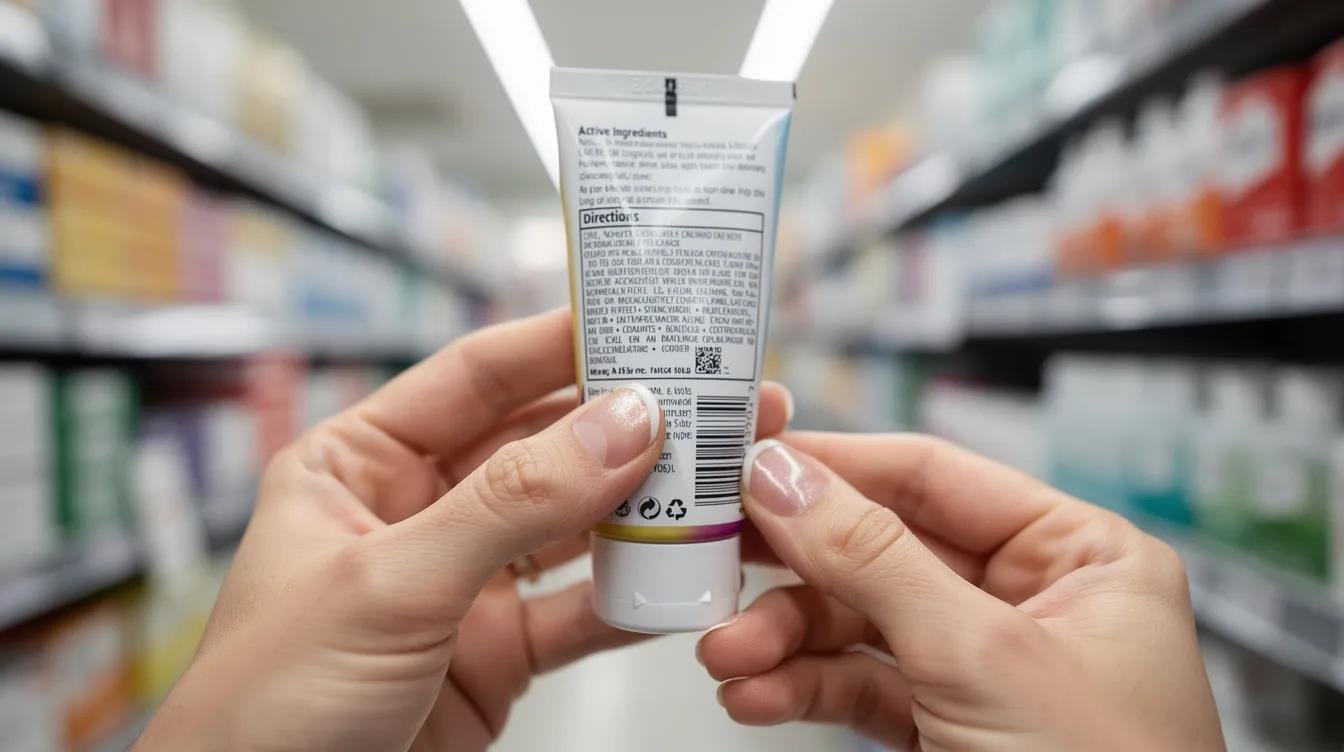
Selecting the right lubricant is crucial to avoid irritation for sensitive skin - yet most people grab whatever is on the shelf and hope for the best. The wrong formula can turn intimacy into a painful experience involving burning, itching, or even recurrent infections. This guide breaks down exactly what to look for, what to avoid, and how to test a new lubricant safely.
Key Takeaways
- The best lubricant for sensitive skin is typically water based, glycerin free, fragrance free, pH balanced, and low osmolality, with a short ingredient list.
- "Sensitive" doesn't just mean mild discomfort - it includes burning, itching, recurrent bacterial vaginosis, yeast infections, UTIs, or contact dermatitis around the vulva or anus.
- Common irritants to avoid include glycerin, parabens, petroleum, synthetic fragrances, chlorhexidine, and numbing agents - all of which damage sensitive tissue in specific ways.
- Oil based lubricants damage latex condoms and many sex toys, while most water based and silicone formulas are condom safe.
- Look for fragrance-free, glycerin-free, and paraben-free formulas for sensitive skin, and always patch test before full use.
Understanding "Sensitive" Intimate Skin
When we talk about sensitive skin in the context of intimate areas, we're not talking about the same skin on your arms or legs. Vaginal tissue, vulvar skin, penile skin, and anal mucosa are thinner, more permeable, and far more pH-dependent than regular body skin, which means they react more strongly to chemicals and friction.
Vaginal pH ranges from 3.8 to 5.0, maintained by beneficial bacteria (primarily lactobacilli) that produce lactic acid. Using a lube with incorrect pH can disrupt the vaginal microbiome, and a pH imbalance can lead to increased sensitivity and irritation. The anal canal operates near neutral pH, lacks self-lubrication entirely, and has a different microbiome.
Concrete signs that you have easily irritated skin in these areas include:
- Burning or stinging during or after sex
- Itching, redness, or swelling that appears within hours of using a product
- Tiny cracks or micro-tears
- Recurrent bacterial vaginosis, yeast infections, or UTIs that correlate with lubricant use
People with eczema, psoriasis, contact dermatitis, or a history of allergic reactions to fragrances or preservatives need extra-gentle products. Hormonal changes - menopause, postpartum, certain medications - can also thin vaginal tissue and reduce the body's natural moisture, making irritation creates a bigger problem than it would otherwise be.
Quick Start: How to Pick a Lubricant for Sensitive Skin
Checking ingredient lists is essential prior to selecting a lubricant. Here's a fast checklist you can use standing in a store aisle:
- Choose your base type. Fragrance-free water based lubricants are a good starting point for
sensitive skin. If you have severe vaginal dryness or menopause-related thinning, silicone based lube may provide longer lasting lubrication. Only reach for an oil based lubricant if you are not using latex condoms.
- Scan the ingredient list. Look for fewer ingredients overall - ideally under ten. The label should
clearly state "glycerin free," "paraben free," and "petroleum free."
- Check pH and osmolality claims. Water based lubes should be pH balanced between 3.8 and
5.0. Low-osmolality lubes should be below 1200 mOsm/kg. If those numbers appear on the packaging, that's a green flag.
- Confirm condom and toy compatibility. Water based formulas work with all condom types and
toy materials. Oil based is not latex-safe. Silicone lubes are not safe with silicone toys.
- Verify "hypoallergenic" claims. If a product says hypoallergenic lube, still verify: no glycerin,
chlorhexidine, or numbing agents. USDA Certified Organic is a reliable certification for lubricants that indicates cleaner sourcing.
Key Features to Look For in a Lubricant for Sensitive Skin
Ingredient quality, pH, and osmolality matter as much as how slippery a personal lubricant feels. A product can glide beautifully and still damage vaginal tissue at the cellular level. Here are the main "green flags":
- Glycerin free. Glycerin-free lubricants are safer for sensitive skin because glycerin contributes to high osmolality and can promote yeast overgrowth. Look for glycerin-free formulas to prevent infections.
- Fragrance free. No synthetic fragrances, no "warming" or "cooling" sensation additives. These are among the most common triggers for adverse reactions on sensitive tissue.
- Paraben free. Paraben-free formulations can help prevent skin sensitivities that accumulate with repeated exposure.
- Low osmolality. The World Health Organization recommends lubricants below 1200 mOsm/kg for vaginal use. For reference, healthy vaginal fluid sits around 370 mOsm/kg. Many massmarket lubes clock in at 2,000–6,000+ mOsm/kg. Low-osmolality lubricants are safer for vaginal tissue because they don't pull water out of cells. Isotonic formulations match the body's natural fluid balance to prevent irritation. Choose products with low osmolality to prevent drying and cellular damage.
- pH balanced formula. A pH-balanced lube matches the vagina's natural acidity. Choose lubricants with pH between 3.8 and 5.0 for vaginal use. pH-balanced lubes help prevent bacterial vaginosis and infections. For anal play or external use, a neutral pH is acceptable.
- Short ingredient lists. Minimizing ingredients in personal lubricants reduces allergic reactions. Hypoallergenic products with a simple ingredient list minimize irritation and make it far easier to troubleshoot if a reaction occurs. Some formulas include body safe ingredients like hyaluronic acid or aloe, which can add moisture without irritation.
- Low-osmolality lubes reduce risk of vaginal dryness by keeping cellular hydration intact during use.
Products labeled "dermatologist tested" or "gynecologist tested" are a reasonable starting point, but those claims should still be backed by a clean ingredient deck.
Common Irritants in Lube (And Why They Cause Burning)
Many mass-market lubes from the 1990s through 2010s were loaded with sugars, harsh chemicals, and "tingling" agents that are now known to irritate sensitive users. Here are the main red flags:
Irritant Why It's a Problem
Glycerin can feed yeast and cause infections in sensitive women. It also dramatically raises osmolality, pulling moisture out of cells. Avoid glycerin and sugar derivatives that can cause irritation and yeast infections.
Glycerin & sugar derivatives
Parabens Parabens can cause allergic reactions and irritation with repeated exposure.
Petroleum-based ingredients (mineral oil, petrolatum)
Petroleum-based ingredients can trap bacteria and cause infections. They also degrade latex condoms.
Chlorhexidine & nonoxynol- 9
Chlorhexidine can kill beneficial vaginal bacteria (lactobacilli), undermining vaginal health. Nonoxynol-9 causes direct epithelial damage.
Synthetic fragrances & dyes Synthetic fragrances can trigger contact dermatitis on intimate mucosa.
Numbing/tingling agents (benzocaine, menthol) These mask pain signals, allowing deeper tissue damage to go unnoticed.
Propylene glycol Another humectant that drives osmolality up and can irritate mucosal tissue.
Avoid lubricants with parabens and synthetic fragrances. Avoid fragrances, warming agents, and cooling tingles that can trigger dermatitis. Avoiding warming or cooling ingredients can prevent irritation of sensitive skin.
Flavored lubes often rely on sweeteners and flavor chemicals - including ingredients like horny goat weed extract or other botanicals that sound appealing but irritate vulvar skin. Reserve them for external oral use only.
A critical reminder: labels reading "natural," "clean," or "organic" don't guarantee a formula is completely free of these common irritants. Ingredient lists are always more reliable than marketing language.
Water-Based, Silicone, and Oil Based Lubricants: Pros and Cons for Sensitive Skin
No single base type is perfect for everyone, but understanding the trade-offs helps you find the right lubricant.
Water Based Lube
Water based lubricants are generally safest for sensitive skin. They're closest to natural lubrication, water soluble, easy to rinse off, and safe with all condom types and toy materials. The catch: they must be low osmolality, glycerin free, and pH balanced to truly work well for sensitive users. They also dry out faster and may need reapplication. Water based lube is the default starting point for anyone who hasn't found their right lube yet.
Silicone Based Lube
Silicone based lubricants are long-lasting and hypoallergenic, with tiny ingredient lists - often just two or three silicone fluids. They're excellent for severe dryness, menopause-related thinning, or anyone who needs lasting lubrication without constant reapplication. However, silicone lubes are not compatible with silicone sex toys (they degrade the material), and silicone-based lubricants can be harder to clean off than water-based products.
Oil Based Lubricant
Oil based lubricants split into plant based oils (coconut oil, olive oil, jojoba, sunflower) and petroleumbased products. Plant based ingredients can feel soothing and moisturizing externally. However, oilbased lubricants are not compatible with latex condoms - research shows mineral oil can reduce latex condom strength by approximately 90% within 60 seconds. Oil based options may also trap bacteria
inside vaginal folds and increase infection risk for users prone to dysbiosis. They're best saved for solo play, hand jobs, or partnered sex with non-latex barriers.
Anyone with a history of recurrent yeast infections, bacterial vaginosis, or UTIs should start with carefully formulated water based formulas before experimenting with oil based or hybrid options. Coconut oil, while popular, is not created equal to a product created specifically for intimate use - it lacks pH balancing and can still disrupt the vaginal microbiome.
Special Considerations: Anal Play and Non-Vaginal Use
Anal tissue does not self-lubricate, tears more easily, and has a different microbiome than vaginal tissue. Lubricant choice matters even more here.
The best lube for anal play is usually long-lasting and cushiony: high-quality silicone lubes, thick water based gels, or certain hybrid formulas - all still free of common irritants for sensitive users. Oil based products and petroleum jelly should never be used with latex condoms during anal sex due to increased breakage risk. Always check for compatibility with condoms when choosing lubricants for anal use.
Low osmolality matters for rectal tissue as well - hyper-concentrated lubes can still draw water out of cells and cause micro-damage. Avoid "numbing" anal lubes containing benzocaine or lidocaine. They mask pain signals that exist to prevent deeper tears and injuries.
How to Read a Lube Label and Ingredient List
You don't need a chemistry degree. Here's what to look for in about 30 seconds:
- Base type is usually stated first: "water-based," "silicone-based," or "oil-based."
- Scan for explicit claims: "glycerin free," "paraben free," "pH balanced," any listed osmolality value.
- Read the first 3–5 ingredients. They make up the bulk of the formula. If glycerin, propylene glycol, petroleum derivatives, or fragrance appear near the top, it's not ideal for sensitive users.
- "Hypoallergenic lube" is a marketing phrase without strict regulation. A 2025 study of the 50 best-selling lubricants on Amazon found that only about 30% were allergen-free, and among those labeled "hypoallergenic," roughly half still contained recognized allergens. Always verify the actual ingredient deck.
- USDA Certified Organic lubes are safer for sensitive skin and offer a more reliable certification standard than vague "natural" claims.
- Consider keeping a short "avoid list" on your phone - sodium benzoate, parabens, glycerin, propylene glycol, fragrance - so you can cross-reference quickly while shopping.
Products containing vitamin E or citric acid as minor ingredients are generally well-tolerated, though individual reactions always vary. Some formulas also include plant based ingredients like aloe - which is typically gentle but not universally tolerated.
Testing a New Lubricant Safely (Patch Tests & When to Stop)
Patch tests are recommended before full use of any lubricant. Here's a simple two-step protocol:
- Low-risk patch test. Apply a small amount of the new lubricant to your inner forearm or inner
thigh. Wait 24 hours. If no redness, itching, or swelling appears, proceed to step two.
- Genital patch test. Apply a small amount to a small area of vulvar skin (outer labia) or penile
shaft. Wait another 24 hours before using the product for penetrative sex.
Stop immediately if you experience:
- Intense stinging or burning
- Visible rash, hives, or raised bumps
- Swelling
- New discharge with a strong or unusual odor
- Pain that lingers hours after use
Symptoms sometimes appear only after the third or fourth use of the same product - keep notes on what you used and when symptoms flared. If a lube causes a reaction, discard it. Don't try to "use it up" because it was expensive. Irritation creates compounding damage over time.
Condom and Sex Toy Compatibility for Sensitive Users
The best lube for sensitive skin must also be safe with whatever barriers and toys you use. Here are the basic rules:
Base Type Latex Condoms Polyurethane/Nitrile Silicone Toys Other Toy Materials
Water based Safe Safe Safe Safe
Silicone Safe Safe Damages Safe
Oil based Damages Usually safe Varies Varies
Water-based lubricants are generally safe with all types of condoms and sex toys. Check for compatibility with condoms when choosing any lubricant - the packaging should state this clearly.
For cleaning, use mild, fragrance-free soap on toys and hands, and thoroughly rinse off lubricant residue after sex. Avoid harsh disinfectants that leave irritant residues on silicone toys or other toy materials.
If you have very reactive skin, consider buying unlubricated condoms and adding your own trusted, sensitive-skin lube. Some pre-lubricated condoms include high-osmolality or glycerin-rich formulas. If burning consistently follows condom use, switching condom types or brands - not just lube brands - may solve the problem. These condom safe practices help prevent infections and protect vaginal health simultaneously.
When to See a Clinician About Lube-Related Irritation
Occasional mild sensitivity to a new product is common. Ongoing pain or infections are not something you have to live with.
Seek advice from a medical provider if:
- Symptoms persist beyond 48–72 hours after stopping the product
- You experience recurrent bacterial vaginosis or yeast infections after sex
- UTIs follow intercourse with lubricant
- You notice bleeding not explained by your menstrual cycle
- Pain makes penetrative sex consistently impossible, regardless of any medical condition
A pelvic health physical therapist, gynecologist, urologist, or dermatologist specializing in vulvar or penile conditions can help determine whether lube is the culprit or whether another condition - lichen sclerosus, vestibulodynia, genitourinary syndrome of menopause - is involved. Pelvic floor therapists and a pelvic floor PT can also address muscle-related pain that compounds lubricant sensitivity.
Bring the actual lubricant bottle or a photo of the ingredient list to your appointment. Persistent dryness or pain, especially after age 40 or post-menopause, may benefit from internal moisturizers, hormone therapy, or other treatments alongside finding a better lubricant. Healthy bacteria in the vaginal microbiome can be supported through targeted clinical care, not just product swaps.
FAQ: Lubricants for Sensitive Skin
Is a "hypoallergenic" lube automatically safe for sensitive skin?
No. "Hypoallergenic" is not a regulated medical term in the lubricant market. Products can still contain glycerin, propylene glycol, or fragrance and use this label legally. Treat hypoallergenic lube claims as a starting point only, and always double-check the full ingredient list for common irritants and allergens. Based lubricants of all types can carry this label regardless of actual formulation.
Can lubricant for sensitive skin still cause yeast infections or BV?
Yes. Even carefully formulated products can trigger issues if they don't match an individual's vaginal microbiome or if used very frequently without proper hygiene. Risk is lowest with glycerin free, low osmolality, pH-balanced water based lubes combined with good post-sex habits: urinating afterward, gentle washing, and avoiding staying in damp underwear. These steps help prevent infections alongside choosing the right product.
What's the difference between a lubricant and a vaginal moisturizer?
Lubricants are designed for short-term glide during sex. Vaginal moisturizers are used several times per week to hydrate vaginal walls over days, which is especially helpful for menopause-related dryness. Sensitive users with chronic vaginal dryness may need both: a gentle daily or every-other-day moisturizer plus a clean water based lube during intimacy. The vaginal pH needs of each product differ slightly.
Is there a "best lube" brand for everyone with sensitive skin?
No single product is the universal best lube. People react differently to even gentle ingredients like aloe or plant extracts. Not all lubricants are created equal. Use this article's checklist - glycerin free, short ingredient list, pH balanced, low osmolality, fragrance free - to narrow your options, then patch test one or two formulas to find a personal favorite.
How long does it take for irritation from the wrong lube to calm down?
Mild irritation often improves within 24–72 hours after stopping the triggering product and using only lukewarm water or a very gentle, fragrance-free cleanser. If symptoms worsen, spread, or are accompanied by fever, unusual discharge, or severe pain, contact a clinician promptly instead of waiting it out. Don't assume that all irritating ingredients leave your system immediately - some preservatives can linger on mucosal tissue.
Sensitive skin narrows the field of suitable lubricants considerably. For more, see our Best Lube by Use guide and our guide to lube quantity and reapplication. To understand which additives commonly cause irritation, our warming, cooling and tingling lubes guide names the ingredients worth avoiding.