
Choosing a lubricant affects comfort, safety, and pleasure during anal play. Get it right, and everything feels better. Get it wrong, and you're dealing with discomfort at best-condom failure or tissue damage at worst. This guide breaks down exactly how thickness, base type, and material compatibility work together so you can pick the best lube for anal play with confidence.
Key Takeaways
- The anus does not self-lubricate, so using a thick, long-lasting anal lubricant is non-negotiable for comfort and safety during any kind of anal penetration.
- Thickness and base type (water-based vs silicone-based vs oil-based) directly determine how long your lube lasts, how often you'll need to reapply, and how much cleanup you're in for afterward.
- Water-based and silicone-based lubes are condom safe with latex, polyisoprene, and polyurethane condoms. Oil-based formulas are not safe with latex or polyisoprene condoms and can cause catastrophic failure.
- Silicone based lube can degrade silicone toys over time unless the manufacturer explicitly says otherwise. Water-based anal lubricant is the safest default for silicone sex toys.
- Numbing products and DIY household substitutes carry higher risk and should generally be avoided-more on both later in this guide.
Why Lubrication Matters So Much for Anal Play
Anal play is safe and genuinely pleasurable when you do it with enough lubrication. Think of lube not as an optional extra but as essential gear-no different from a helmet on a bike.
The anus and rectum do not produce natural lubrication the way the vagina does. There are no moisture-producing glands in the anal canal, which means any penetration-fingers, butt plugs, penises, enema nozzles-requires external lubrication. Without it, friction drags against the delicate rectal lining and can cause micro-tears in the anal tissue. These tiny abrasions lead to pain, bleeding, and a significantly higher risk of STI transmission, including HIV, chlamydia, and gonorrhoea.
Proper lubrication reduces the risk of micro-tears during anal sex and makes the entire experience more relaxed. Thicker, cushiony anal lubes reduce friction spikes when the anal muscles tense-something that happens involuntarily, especially for beginners. Using lube can significantly enhance comfort during anal penetration and lower anxiety, which in turn helps the anal sphincter relax.
The simplest rule in butt stuff: generous application and frequent reapplication of lubricant is one of the easiest ways to reduce pain, anxiety, and injury risk.
How Thickness and Texture Change the Feel of Anal Play
Thickness-technically called viscosity-is the key difference between a standard personal lubricant and an anal lubricant specifically designed to stay where you put it. Laboratory measurements of commercial anal lubes show viscosities ranging from roughly 145 to 7,810 centipoise, which translates to a huge spectrum of feel.
Here's a practical breakdown:
- Thin, runny lubes spread quickly and feel lightweight, but they drip away from the anus and need more friction to keep up with. More friction means more reapplication pauses.
- Medium-thick lubes balance glide and sensation. They stay in place reasonably well and still let you feel what's happening.
- Extra-thick gel or cream-style anal lubes cushion the most and cling to the anal canal longest. These are just what many people reach for when using larger toys, during longer sessions, or while still learning to relax the sphincter.
Thicker gel-style formulas stay in place better during anal sex, and higher viscosity lubricants require less frequent reapplication. But thicker doesn't automatically mean better for everyone. Some experienced users prefer a slightly thinner silicone lubricant that preserves more sensation while still being longlasting.
Thicker lubricants should be used to provide cushioning and minimize the risk of micro-tears during anal play, especially for beginners or anyone using toys with significant girth like anal beads or large butt plugs.
Water-Based Anal Lubricant: Thickness, Longevity & When It's Best
A water based anal lubricant uses water as the main ingredient, thickened with cellulose derivatives or similar polymers. It's the most versatile, beginner-friendly option available, and often the common starting point for anal play.
Many water based anal lube products in this category are formulated as extra-thick gels, and a good water based lube for anal use should mound up on a fingertip rather than dripping off. This is a different world from the thin, "natural feel" water based lubricants designed mainly for vaginal tissue. The water based formula in a good anal lube uses pseudoplastic (shear-thinning) technology: thick when static, slippery when you move.
Longevity is the honest trade-off. Water-based lubes can dry out quickly and need reapplication. Even thicker formulations slowly absorb into skin and evaporate, so plan to re-lube during sessions longer than roughly 15 to 20 minutes of continuous friction. Some can also get tacky as they dry.
Cleanup is where water-based wins easily. It rinses off with warm water, rarely stains sheets, and is convenient if you share bedding or have roommates.
Compatibility:
- Water-based lubes are compatible with all condom types-latex condoms, polyisoprene condoms, and polyurethane condoms.
- Water-based lubes are easy to clean and toy-friendly, making them the safest default for silicone toys, TPE, rubber, and every other common toy material.
- They're far easier on fabrics than silicone based lube or oil based formula products.
Formulation choices to watch for: glycerin-free options help people prone to yeast or irritation. An aloe vera or plant-based blend can add a soothing, slightly more natural feel. Look for labels that say fragrance free, paraben free, and pH-balanced.
Silicone-Based Lube for Anal: Slickness, Stay Time & Safety
Silicone based lube uses dimethicone or similar silicones instead of water, creating an ultra-slick, nonabsorbing layer that's ideal for extended play.
The headline advantage: silicone-based lubes last longer than water-based options. A quality silicone anal lube can keep its glide for 30 to 60-plus minutes with minimal reapplication, making it a strong candidate for the best lube for anal sex when long, uninterrupted sessions matter-penetrative anal intercourse, pegging, or edging scenes.
Silicone-based lubricants provide unmatched longevity and do not absorb into the skin. Some silicone lubes are thick and gel-like for maximum cushioning, while others (like many "liquid silk" styles) are thinner but feel silky smooth and extremely slippery. Silicone lubes remain slippery in water, making them ideal for shower play where water-based products wash right off.
Silicone lubes are hypoallergenic and skin-safe for sensitive users, and silicone-based lubes are less irritating to rectal mucosa than water-based options according to clinical reviews. This makes silicone lubricant a strong choice for anyone with sensitive skin.
Products like Future Method Silicone Lubricant are recommended for anal play, and Uberlube is known for its silky smooth texture and vitamin E content-both are worth considering.
Condom compatibility: silicone based lubricants are condom compatible and safe with latex and polyisoprene condoms, and work fine with polyurethane condoms too.
Toy compatibility is the trade-off. Standard silicone sex toys can be degraded or become tacky when used with silicone based lube. Use silicone lube primarily with glass, stainless steel, hard plastic, or wellsealed metal plugs instead. Some modern brands market silicone toys and silicone lubes as compatible, but always check manufacturer guidance before pairing.
Cleanup: silicone lube is waterproof and not water-soluble. It typically requires mild soap and warm water, and can leave residue on skin, shower tiles, and fabrics.
Oil-Based Formula: Extra Cushioning but Major Compatibility Trade-Offs
Oil based lubes include products based on coconut oil, shea butter, mineral oil, jojoba oil, or blended plant oils. They're thick, buttery, and among the most long-lasting options available. Some people reach for an anal cream format in this category for the substantial cushioning it provides during large toy use or extended anal penetration.
Many advanced anal players prefer oil because it offers substantial glide that's very slow to evaporate or absorb compared with water-based options.
The major downside: oil-based lubes degrade latex condoms and are not safe with them. Research showed that as little as 60 seconds of mineral oil exposure reduced latex condom burst strength by roughly 90%. Oil based lubes are not compatible with latex condoms or polyisoprene condoms-period. An oil based lube safe pairing exists only with polyurethane condoms or non-latex internal barriers like nitrile.
Oil-based formulas can also damage some softer toy materials and are safest with glass, metal, or hard non-porous plastics. Natural oils can trap bacteria, be harder to wash off fully, and may disrupt the anal microbiome-not ideal for people prone to infections.
Cleanup is the most demanding: oil can stain sheets, requires detergent, and lingers on skin and surfaces. Recommend an oil based formula only if you fully understand the condom-compatibility limits and are comfortable with intensive cleanup. For safe anal sex with condoms, look at other lubes instead.
Hybrid Lubes: Mixing Water and Silicone for Balance
Hybrid lubes blend a water-based formula with a smaller percentage of silicone to strike a balance between slickness, longevity, and easier cleanup. Hybrid lubricants combine features of silicone and water-based formulas for better endurance.
In feel and thickness, hybrids are often slightly thicker than standard water based lubricants, with a silkier glide-but not as "endless" as pure silicone based lube. They last longer than pure water-based anal lubricant, though they may still need topping up during very long or intense anal sex sessions.
Compatibility: typically condom safe with latex, polyisoprene, and polyurethane condoms, but check each label. They're often advertised as safe with most sex toys, though users with premium silicone toys should still verify with the manufacturer.
Hybrid lubes work well as a "middle path" for people who want more glide and fewer reapplications than water-based alone but dislike the heavy residue of full silicone. They're also practical for mixed sessions that alternate between oral, anal, and toy play without switching products-a great lube choice for versatile nights.
Condom Compatibility: Keeping It Condom Safe
Anal intercourse carries a higher baseline STI transmission risk than many other sexual activities, so the combination of condoms plus the right lube is a critical safety choice. Not all lubricants labeled for anal use are compatible with every condom material.
Here's the compatibility breakdown:
- Water-based: condom compatible with latex, polyisoprene, and polyurethane condoms. Waterbased lubes are safe with all condom types-universally the safest bet.
- Silicone-based: condom compatible with latex and polyisoprene condoms, and fine with polyurethane. Silicone and water-based lubes are safe with latex condoms.
- Oil-based: not safe with latex or polyisoprene condoms. Only acceptable with polyurethane or nitrile barriers.
The wrong lube can cause condoms to slip, tear, or break down on a microscopic level-sometimes without being obvious in the moment. Some lubricants labeled for anal use might not be compatible with all condoms and toys, so reading the label matters every time.
For vigorous thrusting or larger toys, pair extra-thick, latex compatible lube with thicker condoms. Always check packaging for "condom safe" or "condom compatible" wording, and never mix household oils (olive oil, Vaseline, body butter) with any condoms.
Toy Compatibility: Matching Lube to Silicone Toys and More
The best lube depends not only on your body but also on what's going inside. Fingers, silicone toys, glass plugs, metal prostate massagers, and anal beads all have different needs.
Simple pairing guidance:
- Silicone toys: default to water-based anal lubricant or clearly marked toy friendly hybrid lubes. Silicone-based lubes are not safe with silicone toys because the chemicals can bond with the toy surface, making it tacky and easier for bacteria to cling to.
- Glass and stainless steel toys: safe with water-based and silicone-based lubes. Oil-based is also fine here if condoms are not involved.
- Porous or cheaper materials (jelly, TPR, rubber): best with water-based lubes. Avoid oil-based lubricants with porous materials to prevent degradation and bacteria retention.
Practical routines:
- Keep a dedicated water-based formula next to your silicone toys.
- Reserve silicone based lube for penis-to-anus anal sex or for use with glass and metal plugs and dildos.
- After any anal use, clean toys thoroughly. Check toy materials and follow manufacturer instructions-boiling works for some body safe silicones and metals, while mild soap or a dedicated toy cleaner handles the rest.
Longevity vs Reapplication: Planning for Short vs Long Sessions
Think of longevity and reapplication as part of session planning. A quick beginner exploration has very different needs from a long edging scene.
Approximate expectations:
- Extra-thick water-based anal lubes may offer 10 to 20 minutes of intense friction before needing a top-up.
- Silicone-based lubes can easily go 30-plus minutes with light to moderate reapplication needs, making them ideal for longer sessions.
- Oil-based lubes may last an entire session but are constrained by condom and toy safety concerns.
Tips for managing reapplication without killing the mood:
- Keep pump-top or flip-cap bottles within arm's reach.
- Apply lube to both the penetrating object and the outside and just inside the anus.
- Treat re-lubing as part of foreplay or check-ins rather than a disruption.
Dryness, increased friction, or any burning sensation are immediate cues to stop and add more lube, regardless of the base type. There's no such thing as too much lube during anal play-though you can always wipe excess away if things get messier than you'd like.
Ingredients, Sensitivity & Osmolality: Reading the Fine Print
If you have sensitive skin, allergies, or a history of irritation with intimate products, scanning the ingredient list is worth the 30 seconds.
Ingredients some users try to avoid in an anal lubricant:
- High levels of glycerin or sugar derivatives, which can aggravate yeast for some people
- Parabens and synthetic fragrances, which may irritate sensitive anal tissue and vaginal tissue alike
Soothing or protective ingredients to look for:
- Aloe vera for a calming, hydrating feel
- Vitamin E or panthenol, which can help support skin moisture
Osmolality matters more than most people realize. Many commercial water-based lubes measure between 2,000 and 6,000 mOsm/kg-far above body tissue levels of roughly 260 to 380 mOsm/kg. Hyperosmolar lubes can pull water out of cells, causing dryness or micro-irritation over time. The WHO recommends lubricant osmolality under 1,200 mOsm/kg as a safer interim standard.
Choose lubes marketed as "iso-osmotic," "gentle on mucous membranes," or specifically "rectal-safe," especially if you're a frequent anal player. A small patch test on the inner forearm-or a tiny amount near the anus-before full internal use is smart if you have known sensitivities.
Numbing, Warming & 'Relaxing' Anal Lubes: Proceed with Caution
There are three categories people encounter here:
- Numbing lube products containing lidocaine or benzocaine that deaden sensation
- "Relaxing" formulas that rely on botanicals or gentle muscle-relaxant ingredients
- Sensation lubes (warming/cooling) that aren't always designed with anal tissue in mind
Many sex educators discourage numbing lube for anal play. Pain is an important safety signal during anal sex. Dulling it can allow deeper or rougher penetration than the tissue can safely handle, and numbing can mask early signs of tearing or injury.
Instead of reaching for a desensitizing product, focus on slower pacing, communication, and thicker, high-quality lube. "Relaxing" lubes without anesthetics may be a safer option, but read ingredients and test for irritation first. Intense warming or cooling agents-strong menthol or capsaicin-style additives-can feel burning or overwhelming in the rectum. When anal sex starts, your favorite lube should keep you informed about what your body is feeling, not silence it.
Cleanup, Laundry & Storage: Practical Realities
Post-play cleanup varies dramatically by lube type:
- Water-based: rinse with warm water and mild soap for skin and toys. Usually enough.
- Silicone-based: use soap and warm water; may need a dedicated toy cleaner or a second wash for stubborn residue.
- Oil-based: require soap and sometimes degreasing dish detergent for toys. Wash fabrics promptly to reduce staining.
Cleaning toys promptly after use is important to prevent residue buildup from lubricants. Some silicone and metal toys can be boiled; others need toy cleaner or mild soap.
Use dark towels, old sheets, or disposable pads under the play area when using silicone-based or oilbased lube to protect bedding-because both can stain sheets.
Storage tips: keep lube bottles sealed, away from direct sunlight and heat. Respect expiry dates. Discard any lube that smells off, has separated, or changed color or consistency.
Simple Buying Matrix: Matching Lube to Your Anal Play Style
Choosing the right lubricant involves balancing thickness, longevity, and material compatibility. Here's a quick decision aid for common scenarios:
Beginner with silicone toys and condoms: reach for a thick water-based anal lubricant. An aloe vera formula works well if you have sensitive skin. Water-based is toy friendly and condom compatible with every barrier material.
Experienced, longer sessions with condoms, no silicone toys: silicone based lube delivers maximum longevity and minimal reapplication. It is often the best anal lube for uninterrupted play.
Occasional anal play in the shower or bath: silicone-based lube, hands down. Its waterproof nature means it won't wash away, and it maintains strong glide in wet environments-perfect for shower play.
Condom-free anal with a trusted partner, heavy fisting or large toys: a thick oil based formula like Boy Butter is an advanced option, with strong caveats about STI risk, cleanup, and the fact that it's not condom compatible.
Mixed sessions-oral, toys, and anal in one go: hybrid or thick water-based formula for broad compatibility and easier transitions.
Consider how long you expect the average session to last, whether you typically use condoms, what toy materials you own, and your sensitivity to ingredients like glycerin or fragrances. Many people benefit from keeping two lubes: one thick water-based for silicone toys, and one silicone-based for condomprotected anal sex without toys. How much lube you need depends on duration and intensity, but always lean toward more.
Beginner FAQ: Starting Anal Play with Confidence
If you're totally new to anal play, the most common question is how much lube to use. The answer: for anal, "more is more." It's normal to use several generous pumps or squeezes per session. Apply lube to both the anus and the penetrating object, and insert a little just inside with a finger or a lube launcher. You genuinely cannot use too much lube for anal-excess is easily wiped away, but insufficient lubrication causes real problems.
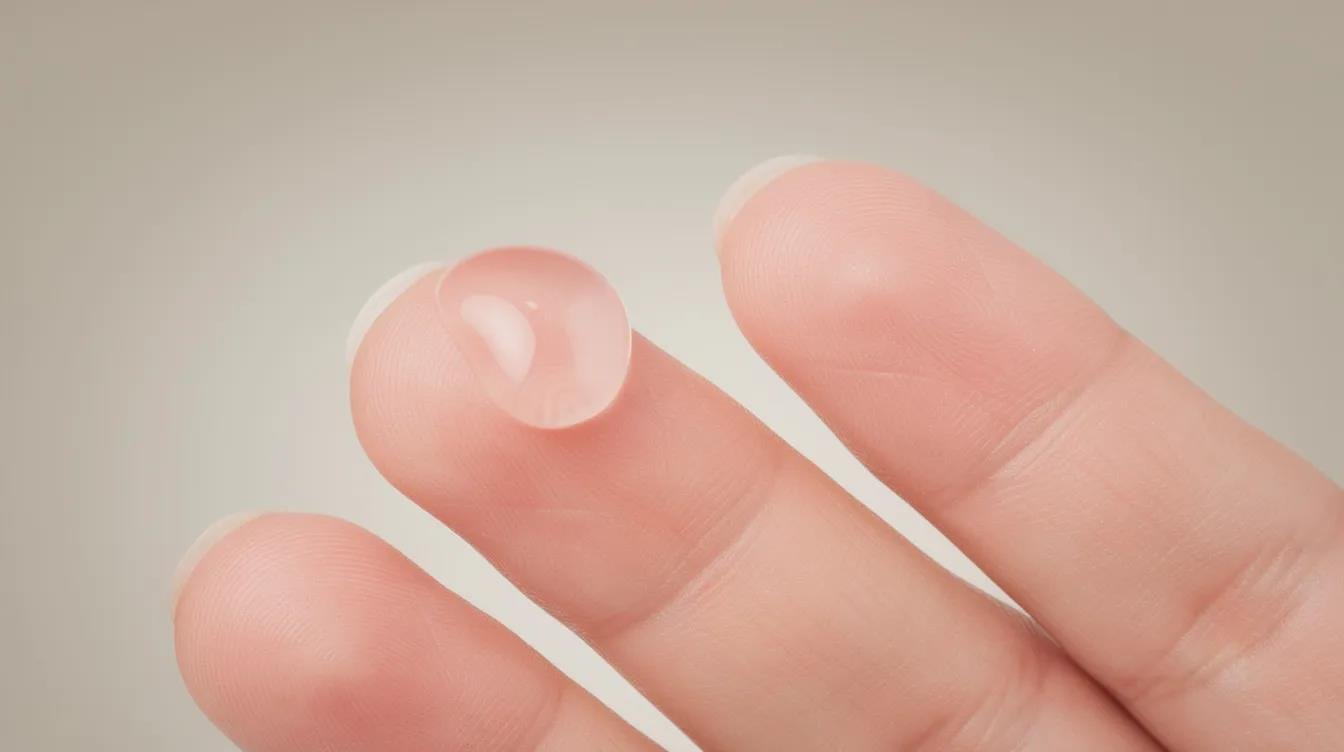
To know if your lube is thick enough, check whether the gel mounds up on a fingertip rather than immediately running off. Squeeze a drop between your fingers: you should feel cushioning and minimal drag. If it runs like water, it's probably not the right lube for anal play.
For timing, start with fingers and smaller toys to let the body adjust. Add more lube before moving up in size or speed. Communicate openly with a partner about comfort, pressure, and when to pause and relube. Lubrication is essential to protect delicate rectal tissue during anal sex, and there's zero shame in stopping to add more.
What Not to Use as Lube for Anal Play
Common household substitutes and why to avoid them:
- Saliva: dries in seconds, provides almost no anal lubrication, and can spread oral bacteria and STIs.
- Body lotions and creams: often contain fragrances, alcohol, and ingredients not designed for internal use-a recipe for irritation.
- Petroleum jelly and mineral-oil ointments: not water-soluble, trap bacteria, not condom compatible, and can irritate tissue.
- Cooking oils like coconut oil with latex condoms: destroy condom integrity and are extremely hard to clean.
Purpose-made anal lubes are inexpensive per use, clinically tested, and formulated with rectal tissue and condom safety in mind. Keep a dedicated anal lubricant in your bedside drawer or bathroom so you're never tempted to improvise in the moment.
Frequently Asked Questions
Is thicker always better for anal lube, or can it be too thick?
Thicker anal lubes are usually more comfortable and stay in place better, but extremely dense creams can sometimes feel heavy, reduce sensation, or be harder to spread internally. An anal cream that won't budge under pressure can create a sluggish feel that some experienced users dislike. Aim for a gel-like consistency that spreads easily with fingers but doesn't instantly drip. Test a small amount at home to find your preferred texture before committing to a full session.
Can I mix water-based and silicone-based lube together?
Mixing small amounts on the body isn't dangerous, but it can change the way both products behavesometimes making cleanup trickier or reducing the benefits of each. Stick to one base type per session when possible, or choose a purpose-made hybrid lube that's been formulated and tested for stability and safety.
How do I know if I'm having a bad reaction to an anal lubricant?
Common signs of irritation or allergy include burning, intense itching, swelling, rash, or unusual discharge appearing soon after application and persisting after washing off the product. Stop use immediately, rinse thoroughly with lukewarm water, and consult a healthcare provider if symptoms don't resolve within 24 to 48 hours or are severe.
Does anal lubricant expire, and is it unsafe to use after the date?
Most anal lubes have a printed expiry date or a "period after opening" symbol (for example, 12M means 12 months after opening). Ingredients can separate or degrade over time. Expired lube may be less effective, more irritating, or contaminated if the bottle has been open for a long time. Replace any product that's past its date, smells odd, or has changed consistency.
Can I use the same lube for anal, vaginal, and oral sex?
Many water-based formulas are multi-purpose and safe across anal, vaginal, and oral use. However, very thick "anal only" gels or those with strong flavors, warming agents, or numbing ingredients aren't ideal for every orifice. Check the label for indications like "safe for oral" or "for external use only." When in doubt, keep a separate simple water-based formula for oral and vaginal play alongside a thicker anal sex lube.
Anal play calls for thicker, longer-lasting lube and careful material pairing. For more within this guide, see our Best Lube by Use hub and our guide to how much lube to use. For the toy side of anal play, our Anal Sex Toys guides cover flared bases, preparation, and safety alongside lube choices.