
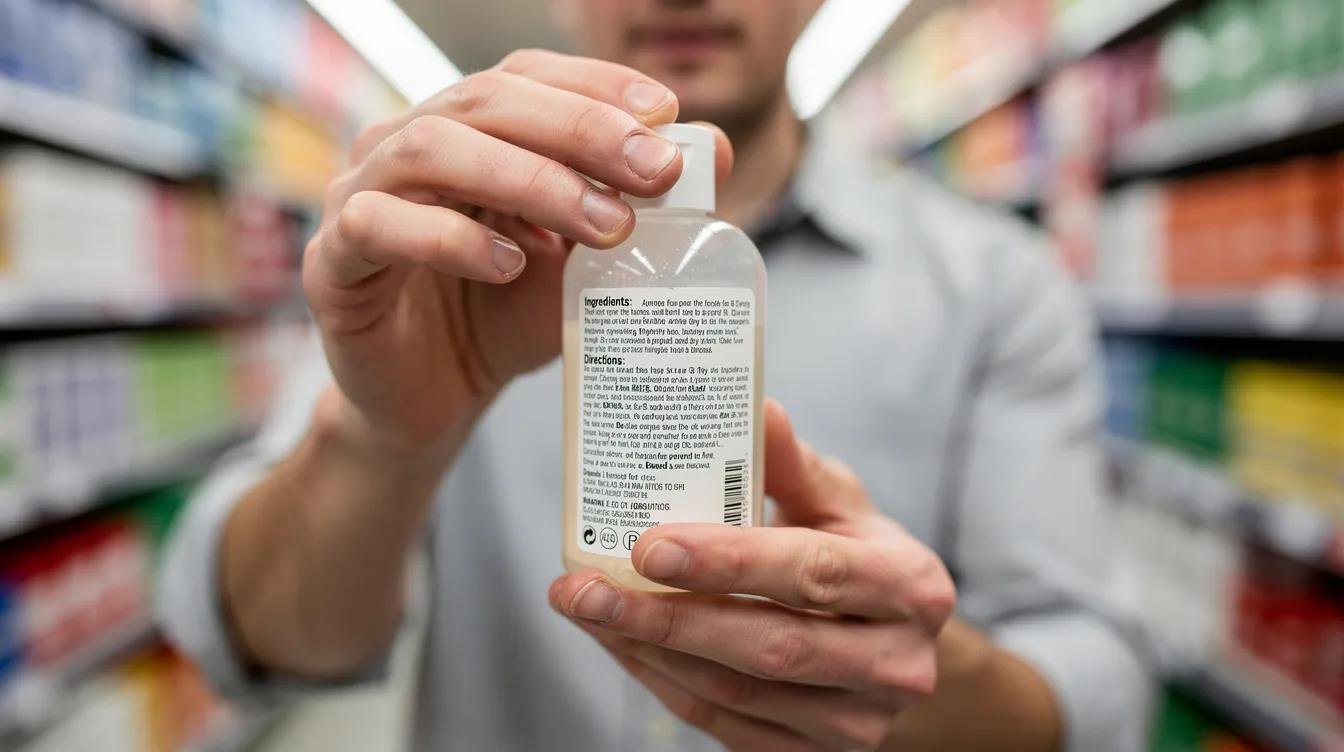
Picking the right lube shouldn't require a chemistry degree. But when you flip a bottle over and see a wall of long scientific names, it's easy to either panic or ignore the list entirely. This guide walks you through exactly how to decode any personal lubricant ingredient label in about 30 seconds so you can shop with confidence and protect your body.
Key Takeaways
- Ingredients are typically listed in descending order by amount, so the first one or two items tell you the base (water, silicone, or oil) and the product's core behavior at a glance.
- Water-based and silicone-based lubes are safe with latex condoms. Oil-based lubes degrade latex condoms, increasing pregnancy risk and breakage-never pair petroleum jelly, mineral oil, or any oil based lube with latex.
- Watch for these problematic ingredients: glycerin in high concentrations (feeds yeast), parabens (endocrine disruptors), chlorhexidine gluconate (suppresses good bacteria), nonoxynol-9 (damages vaginal epithelial tissue), and harsh fragrances or novelty additives that cause skin irritation.
- A well-formulated lubricant is pH-balanced, iso-osmotic or low-osmolality, and relies on gentle humectants like hyaluronic acid and simple thickeners like xanthan gum instead of sugar-heavy formulas.
- You do not need to memorize chemistry. Use this quick 30-second checklist: (1) check the base, (2) scan for known irritants, (3) look for pH or osmolality claims, (4) favor short ingredient lists, and (5) trust your body's feedback.
How Lubricant Ingredient Lists Actually Work
Personal lubricants in the U.S. are regulated by the FDA as Class II medical devices, which means their labels must be truthful and list every component. In many other countries, they fall under cosmetic or medical device rules with similar transparency requirements. The core principle is the same everywhere: ingredients must be listed in descending order by weight-first equals most, last equals least.
The first one to three ingredients reveal the base: water (aqua) for water based lubricants, silicone polymers like dimethicone for silicone based lubricants, or oils and butters for oil based lubricants. Everything after the base serves a specific purpose-humectants for moisture, thickeners for texture, preservatives for shelf life, and other additives for scent, flavor, or sensation. Water-based lubricants use water as the primary solvent. Silicone-based lubricants use silicone polymers as the primary base. Oilbased lubricants use natural or synthetic oils.
"Active" ingredients like nonoxynol-9 (a spermicide) or chlorhexidine gluconate (an antibacterial) will usually be called out explicitly. These are red flags in everyday lubes. Meanwhile, medical terminology such as "hydroxyethylcellulose" or "sodium hyaluronate" does not automatically mean unsafe-the key is understanding each category, not fearing long words.
A typical label reads roughly like this: Position 1–2 → base (water, dimethicone, or oil); Position 3–5 → humectants and thickeners; Position 6+ → preservatives, pH adjusters like citric acid or sodium hydroxide (also known as caustic soda, used in tiny amounts to set pH), and any fragrance or extras.
Step 1: Identify The Lube Base (Water, Silicone, Or Oil)
This is the fastest and most important label check, because the base determines condom compatibility, feel, clean-up, and infection risk.
Water-based lubes list "water (aqua)" first, often followed by humectants like glycerin, propylene glycol, or propanediol, plus thickeners like hydroxyethylcellulose. Pros: very versatile, easy to wash off, safe with all condoms and most sex toys, and can be formulated to support a healthy vaginal pH. Cons: water based lubes can dry out faster and need reapplication, and formulas heavy in glycerin or glycols can be hyperosmotic and more irritating to vaginal tissue.
Silicone based lubes show dimethicone, cyclopentasiloxane, or dimethiconol near the top. Silicone lubricants form a slick film on skin, are long-lasting (even waterproof, making silicone-based lubricants last longer underwater), and are safe with latex condoms and polyisoprene condoms. The trade-off: silicone based lube may not be compatible with silicone sex toys-it can cloud or degrade silicone toys over time. Toy-safe certifications ensure compatibility with silicone toys, so check the packaging. Silicone lube can also stain sheets and be harder to wash off.
Oil based lubricants list coconut oil, olive oil, sunflower oil, shea butter, mineral oil, or petrolatum near the top. They feel cushy and last a long time, but any oil based lube-including those with mineral oil or petroleum jelly-should never be used with latex condoms because they weaken and tear the latex. Oil based lubes can also trap harmful bacteria against tissues, increasing infection risk for some users. Petroleum jelly is not compatible with latex condoms. Petroleum ingredients are difficult to fully clear from vaginal tissue.
Hybrid lubes mix water and silicone (e.g., water + dimethicone) and list both early. They offer easier clean-up than pure silicone with more slip than many water based products, and remain safe with latex condoms.
Quick cheat: if you see "water" first, think water-based. If you see "-cone" words first, think silicone. If you see oils and butters first, think oil-based.
Step 2: Understand Humectants & Thickeners (The Texture Makers)
Humectants hold water in place to keep things moist. Thickeners control how runny or gel-like the lubricant feels. Together they define the texture and "feel" of every water-based formula.
Common humectants:
- Glycerin (glycerol) - provides slickness but high concentrations can damage vaginal epithelial cells; glycerin acts as a food source for vaginal yeast
- Propylene glycol - effective but a known skin irritant at high levels
- Sorbitol - a sugar alcohol that can contribute to osmolality
- Propanediol - a gentler modern alternative
- Hyaluronic acid (often listed as sodium hyaluronate) - binds water powerfully without feeding yeast
Water-based lubricants should ideally contain less than 9.9% glycerin per WHO guidance. When glycerin or propylene glycol appear in the first three ingredients, the formula is likely high in osmolality and potentially more irritating to vaginal and rectal tissue.
Common thickeners: hydroxyethylcellulose, xanthan gum, carbomer, guar gum. These usually appear mid-list and are generally safe because they are large molecules that sit on the surface rather than penetrating deeply. They shape real-world feel-runny for some, gel-like for others, cushiony for anal sex.
For the most sensitive skin, favor formulas that rely on gentler humectants like hyaluronic acid or propanediol and simple plant based gums, rather than heavy propylene glycol or multiple glycols stacked in the top half of the label. Short ingredient lists are generally gentler for sensitive skin.
Step 3: Spot Fragrances, Flavors, & "Novelty" Additives
This is where many people with sensitive vulvar or rectal tissue run into trouble. Scented, flavored, and "sensation" novelty lubes can enhance sexual pleasure but are common irritation triggers.
Fragrance and flavor show up as "fragrance (parfum)," "aroma," natural essential oils (citrus, mint, cinnamon), and sweeteners like sucralose or xylitol. Even natural ingredients like peppermint or cinnamon oils can sting or disrupt vaginal pH. Fragrances can cause allergic reactions and contact dermatitis-what dermatologists call contact irritation. Reserve fragranced or flavored lubes mainly for external or oral sex, not deep vaginal or anal penetration.
Warming, cooling, tingling agents include menthol, capsaicin derivatives, L-arginine, and "warming" glycols. These increase blood flow and nerve stimulation, which some enjoy, but they correlate with higher rates of burning sensations and micro-irritation. People with chronic vulvar or anal pain, eczema, or lichen sclerosus should generally avoid these additives.
Novelty lubes often stack multiple fragrances, flavors, and sensation agents in one formula, compounding irritation risk. If any ingredient list includes several mystery "extracts," multiple fragrances, and intense sensation words, do not use it for everyday vaginal intercourse.
- Good: lightly flavored lube with non-sugar sweeteners, used only for oral sex
- Better: unscented lube for regular vaginal or anal use
- Best: a pH-balanced, unscented, minimal-ingredient formula for people with recurrent irritation
Ingredients Commonly Flagged As Problematic
Evidence varies by ingredient, but several substances repeatedly appear in studies and clinical practice as more irritating or disruptive to vaginal health. Here is a practical "avoid when possible" list:
- Glycerin (glycerol): Very common in traditional personal lubricants for slickness. High glycerin concentrations can damage vaginal epithelial cells, and glycerin can feed bacteria and lead to infections. Glycerin can increase yeast infection risk in women and can lead to increased rates of bacterial vaginosis. If you get frequent yeast infections, favor glycerin-free lubes or those where glycerin is not in the first few ingredients.
- Parabens (methylparaben, propylparaben, etc.): Preservatives commonly found in personal lubricants and cosmetics, as well as many beauty products and skincare products. Parabens are known endocrine disruptors affecting hormonal signaling-they can activate estrogen receptors in the body, interfere with estrogen metabolism, and disrupt hormonal balance. They may also disturb vaginal Lactobacillus populations. Parabens can disrupt hormonal balance and are endocrine disruptors, raising concern about links to conditions influenced by estrogen levels, including mood swings and even breast cancer in ongoing research. Parabens are unnecessary in well-formulated personal lubricants-choose paraben-free labels when possible, especially for hormone-sensitive conditions.
- Chlorhexidine gluconate (CHG): A powerful antibacterial. Chlorhexidine gluconate inhibits Lactobacillus growth in the vagina, can inhibit beneficial vaginal bacteria overall, and raises vaginal pH, increasing infection susceptibility. Chlorhexidine is classified as slightly toxic in safety assessments. Avoid lubricant ingredients lists that contain CHG.
- Nonoxynol-9: A spermicide that can damage vaginal epithelium with repeated use. It increases susceptibility to infections by disrupting the mucosal barrier. Clinical studies show nonoxynol-9
disrupts vaginal flora, raising risk of sexually transmitted infections rather than lowering it. The FDA requires warning labels on products containing nonoxynol-9. Everyday users not specifically seeking spermicide should avoid any lube listing nonoxynol-9.
- Petroleum-based ingredients: Mineral oil, petrolatum, and similar petroleum based products can linger in vaginal tissue, alter the microbiome, and petroleum-based ingredients can increase bacterial vaginosis rates. Mineral oil can invite bacterial growth in the vagina. These petroleum based ingredients can disrupt the vaginal ecosystem and promote bacterial infections. They also come from the oil refining process and all oil based lubes degrade latex condoms.
- Harsh glycols and solvents: Propylene glycol and certain short-chain alcohols are common irritants, particularly on already-inflamed or menopausal tissue. Sensitive users should look for labels that minimize or exclude propylene glycol, especially when it appears near the top.
pH, Osmolality & Why They Matter For Vaginal And Anal Health
pH measures how acidic or alkaline a product is. Osmolality measures how concentrated it is compared with your body's natural fluids. Both matter enormously for vaginal and anal comfort.
Vaginal pH: A healthy premenopausal vaginal pH usually sits around 3.8–4.5. This acidic environment supports beneficial bacteria (Lactobacillus) and discourages harmful bacteria. pH-balanced lubricants help protect the vaginal microbiome. Isotonic formulas match the natural pH of the vagina. Good vaginal lubes are formulated in this range-look for phrases like "pH-balanced for vaginal use" on the packaging. Lubricants can disrupt the balance of vaginal flora if pH is off, contributing to vaginal dryness or bacterial vaginosis over time. As estrogen levels shift (menopause, postpartum), some people lose their own lubrication and become more vulnerable, making pH even more critical to vaginal health.
Osmolality: Vaginal secretions sit roughly around 260–290 mOsm/kg. Very concentrated (highosmolality) lubes draw water out of cells, leading to micro-tears and irritation. The WHO recommends water-based lubricants stay below 1,200 mOsm/kg, with an ideal target under ~380 mOsm/kg. Highosmolality lubes can lead to irritation or infections. Research shows a strong correlation (r ≈ 0.73) between lubricant osmolality and cytotoxicity on vaginal epithelial cells.
If a product prints its osmolality, anything closer to 300–400 is gentler; over 1,200 is considered harsh. If osmolality is not listed, high stacks of sugars and glycols early in the ingredient list serve as a proxy. Favor "iso-osmotic," "low-osmolality," or "fertility friendly" claims when present.
Anal sex considerations: Rectal tissue lacks the vagina's acidic defense and can be even more susceptible to high-osmolality damage. Recommend thicker, iso-osmotic, glycerin-light lubes for anal play, and avoiding novelty additives that can sting.
Humectants, Soothers & "Good" Key Ingredients To Look For
Not every long chemical name is bad. Many modern formulas include genuinely helpful, skin-supportive key ingredients that make lubes more comfortable for long-term use.
- Hyaluronic acid (sodium hyaluronate): a naturally occurring molecule that holds many times its weight in water, providing deep hydration without feeding yeast. Lubes with hyaluronic acid can be especially soothing for menopausal vaginal dryness or postpartum recovery.
- Aloe vera (aloe barbadensis leaf juice/gel): a soothing, moisturizing base in some water based lubes. Generally well tolerated, though complex "botanical blends" with many essential oils should still be approached cautiously.
- Vitamin E (tocopherol/tocopheryl acetate): a gentle emollient sometimes found in external-only formulas, though oil-containing products raise condom compatibility concerns.
- Propanediol and modern humectants: upgrades over older, harsher solvents, providing slip with less irritation. Prioritize simple formulas with one or two humectants rather than a crowded list of multiple glycols and sugars.
For highly sensitive users, the best approach is a minimalist formula: a clear base (water or silicone), one or two humectants, one thickener, a mild preservative like potassium sorbate or sodium benzoate (sometimes paired with benzoic acid), and no unnecessary fragrances or novelty agents. Preservatives are necessary to prevent microbial growth in lubricants and extend shelf life, but gentle options exist.
Compare a busy label (water, glycerin, propylene glycol, sorbitol, methylparaben, propylparaben, fragrance, menthol, FD&C Blue) to a clean one (water, hyaluronic acid, hydroxyethylcellulose, potassium sorbate, citric acid). The cleaner list is generally preferable-fewer ingredients, fewer potential triggers.
Latex Condoms, Oil Based Lubes & Other Compatibility Rules
Reading lubricant ingredients is not only about vaginal health-it is also about making sure your protection and sex toys do not get damaged.
- Latex condoms: Only water-based and silicone-based lubes are safe with latex condoms. Oilbased lubricants should not be used with latex condoms-oil based lubes degrade latex condoms, increasing pregnancy risk. Silicone-based lubes are safe with latex and polyisoprene condoms and last longer than water-based options.
- Non-latex condoms: Polyisoprene condoms behave like latex (avoid oil based). Polyurethane condoms can use water-based or oil-based lubes, but always cross-check the condom brand's instructions.
- Sex toys: Most toys (silicone, glass, stainless steel) work with water based lubes. Silicone based lube may degrade or cloud silicone toys over time, so many toy manufacturers advise waterbased only.
- Fertility and conception: Couples trying to conceive may want "sperm-friendly" lubes that are pH-neutral and iso-osmotic for semen (often ~7.0–8.5 pH), free from harsh ingredients. These specialized products typically highlight "fertility friendly" on the label and rely on ingredients like hydroxyethylcellulose rather than high glycerin.
- Use-specific labels: Respect on-label cues like "for external use only" or "not for condom use," especially for commercial lubes and novelty lubes. A quick google search of the brand can confirm intended use.
How To Compare Products Without Fear-Based Claims
Marketing in the sexual wellness space can be full of fear-words like "toxic" and "chemical-free" designed to scare you into buying. A science-informed, calm comparison is more helpful than panic for your sex life.
- Terms like "natural," "clean," or "organic" are not tightly regulated and do not guarantee safety for vulvar or rectal tissue. Focus on the actual lubricant ingredients and base type instead of front-of-box slogans-even natural ingredients can be a skin irritant.
- Some ingredients (e.g., parabens, glycerin) are controversial with mixed research, but clinicians often advise minimizing them for people with recurrent bacterial infections or allergic reactions. Present relative risk, not absolute "good vs bad."
Quick comparison checklist:
- Identify the base (water, silicone, oil)
- Scan for known problematic ingredients (parabens, chlorhexidine gluconate, nonoxynol-9)
- Look for key irritants (strong fragrance, petroleum based ingredients, harsh ingredients)
- Note presence of soothing ingredients (aloe vera, hyaluronic acid)
- Consider pH/osmolality claims if listed
- Favor shorter ingredient lists with fewer other additives
If you are not highly sensitive, a patch test on the inner forearm or just outside the vulva can help gauge reaction before full use. Any burning, itching, or swelling is a reason to stop. For people with a history of
vulvodynia, chronic bacterial vaginosis, or recurrent thrush, stick to the simplest, most conservative formulas and consider bringing labels to a healthcare provider for advice.
When To Stop Using A Lube & Talk To A Clinician
Even the right lube can cause issues for some people. Paying attention to your body's feedback is more important than any marketing claim.
Immediate stop signs:
- Burning, stinging, itching, swelling, or hives during or right after use → rinse gently with water and stop that product immediately
- Do not keep using a lube to "push through" pain or dryness
Delayed or repeated symptoms:
- Recurrent yeast infections, bacterial vaginosis, unusual discharge, or spotting after sex → reevaluate your lubricant ingredients and possibly see a clinician
- Glycerin in lubes can increase yeast infection risk during use and glycerin can increase yeast infection risk in vaginal lubricants, so recurring thrush is a strong signal to switch formulas
What to bring to an appointment: Take a photo or screenshot of the full ingredient list so your provider can help identify potential culprits-chlorhexidine gluconate, nonoxynol-9, parabens, or high sugar content.
Safer experimenting: Test one new product at a time instead of rotating multiple novelty lubes, so it is easier to pinpoint which ingredients your body dislikes.
The goal of reading labels is more comfort and sexual pleasure-not anxiety. Over time, you will quickly recognize your own personal "yes" and "no" ingredients, and choosing the right lube will take seconds, not stress. A generally safe formula for most people is simpler than you think.
FAQ
How can I tell if a lube is "water-based" if the label is confusing?
If "water (aqua)" is listed as the first ingredient, the product is water-based regardless of any added silicones or plant oils further down. Hybrids will still list water first but show silicones (dimethicone, cyclopentasiloxane) among the next few ingredients. Ignore marketing names like "silky water gel" or "natural moisture cream" and focus on the first two or three ingredients.
Is an oil based lube ever a good choice?
Oil based lubes can be reasonable for condom-free play between partners not at risk of sexually transmitted infections or pregnancy, especially for external massage or very dry skin. However, oil based lubricants-including coconut oil, olive oil, and mineral oil-should never be used with latex condoms or latex dental dams. People prone to bacterial infections should use oils cautiously, as thick, long-lasting oils can trap moisture and microbes close to tissue.
What if my favorite lube has one "bad" ingredient-do I have to throw it out?
Risk depends on dose, frequency, and personal sensitivity. An occasional-use product with a small amount of a controversial ingredient may be acceptable. Use more conservative, glycerin-free, parabenfree, pH-balanced based lubricants for regular intercourse, and reserve higher-risk novelty lubes for very occasional external fun if they cause no irritation. Prioritize your own symptom history over a quick google search scare.
Are "natural" or organic lubes always safer?
"Natural" and "organic" refer to ingredient sourcing, not vaginal compatibility or pH/osmolality safety. Essential oils, strong plant extracts, and certain unrefined oils can be very irritating despite being natural. Treat natural products the same way: check the base, scan lubricant ingredients for irritants, and respect condom-compatibility rules.
Do I really need a different lube for vaginal vs anal sex?
Anal tissue produces no own lubrication and tears more easily, so a thicker, longer-lasting, iso-osmotic lube is usually more comfortable. Wateror silicone-based products labeled safe for anal use are idealavoid high-glycerin, high-osmolality formulas that can be harsh on rectal mucosa. Skip novelty tingling or warming lubes for anal play unless you already know your body tolerates those additives well.
Reading an ingredient label is the first step; knowing how those ingredients behave is the next. See our Lube Types & Ingredients guide and our hybrid lubricants explainer for how specific bases compare. If you have reactive skin, our lubricant for sensitive skin guide names common irritants to watch for.