
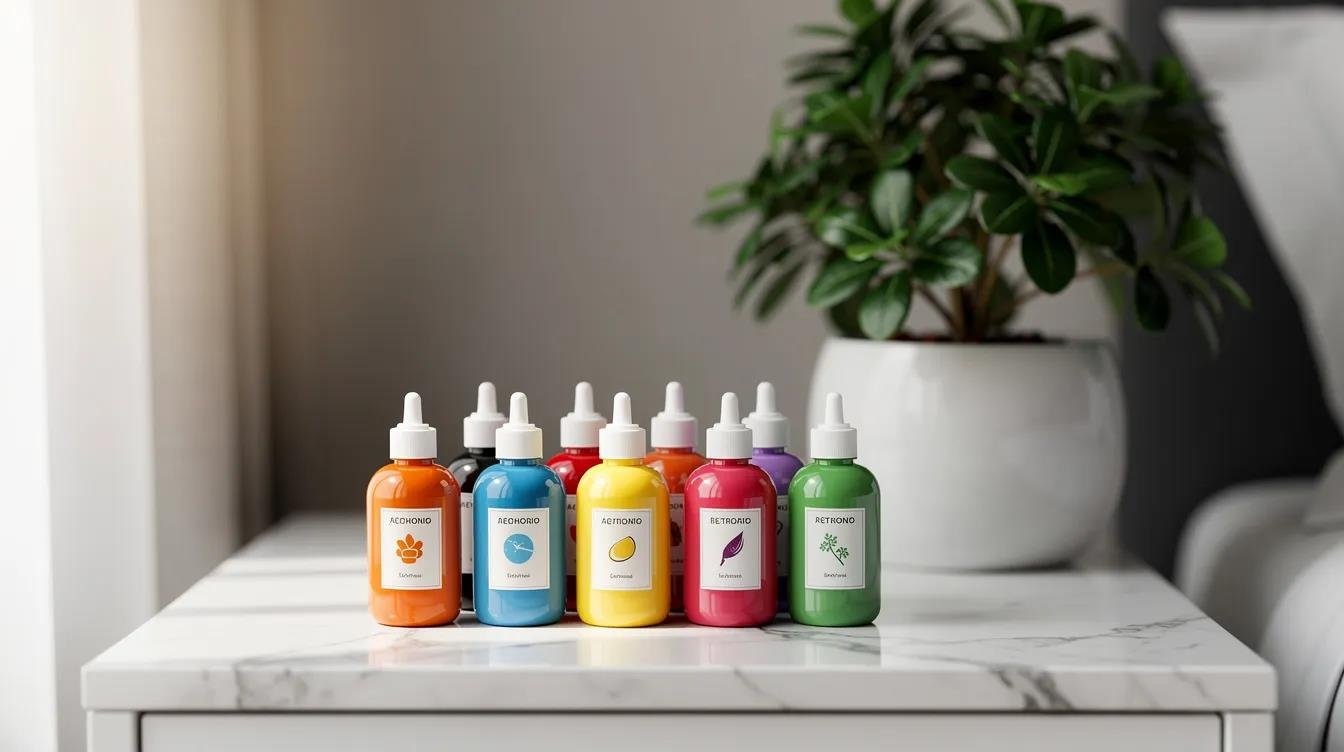
Flavored lubricants sit at the intersection of taste and function. They are formulated to make oral sex more enjoyable for both partners, but the ingredient list behind that strawberry or piña colada flavor determines whether the product is gentle on delicate tissues or a fast track to irritation. This guide breaks down bases, sweeteners, compatibility rules, and use-case boundaries so you can pick a flavored lube that tastes good and stays body safe.
Key Takeaways
- Flavored lubricants are primarily designed for oral sex and can be swallowed in small quantities during oral play; choose products based on ingredient safety, not flashy packaging.
- Most flavored lubes are water based and condom compatible, but oil based edible lubricants degrade latex condoms and polyisoprene condoms on contact.
- Sugar, glycerin, and certain additives can increase the risk of irritation or yeast infections, especially during vaginal or anal sex.
- Always check labels for "condom compatible," "body safe," and third-party certifications like NSF or USDA certified organic before buying.
- Unflavored lube is usually the better choice for penetrative sex; flavored lubricant shines during oral use and external play.
What Flavored Lube Actually Is
A flavored lube is a personal lubricant with added flavorings and sweeteners that give it a pleasant taste during oral sex. Most are water based formulas built on a mix of purified water, thickeners, humectants (like glycerin), and flavor compounds. Flavored lubricants often contain thickeners to enhance texture and create a smooth glide on skin.
The term "edible lube" appears on many bottles. It usually means the formula is generally safe to ingest in small quantities, not that the product meets food-manufacturing standards. The U.S. FDA classifies personal lubricants as medical devices, not food products, so "edible" is a marketing description rather than a regulatory guarantee.
Common flavor profiles include strawberry lube, watermelon, piña colada, birthday cake, mint chocolate, and cinnamon bun. Some brands offer warming or cooling variations layered on top of the flavor. Flavored lubes can mask the taste of skin and latex, reduce discomfort during oral sex, and enhance intimacy and connection between partners. The key standard is "body safe": every ingredient must be suitable for contact with mucous membranes in the mouth, vulva, penis, and anus, not just safe enough to taste.
Flavored vs. Edible: What "Edible" Really Means
Many bottles say "edible" or "flavored" without clear regulatory definitions behind either word. Do not assume a product labeled "edible" meets food-grade safety standards unless it carries a verifiable certification.
Edible lubricants in a stricter sense are made only with food-safe ingredients acceptable for ingestion in small quantities. Think plant oils, certified organic aloe-based lubricant, or simple water based blends with minimal additives. Edible lubes should contain only food-safe ingredients for safety, and the best ones list every component plainly. Edible lubes are safe to swallow but may lack the intense flavor punch of artificial-sweetener-laden alternatives.
Typical flavored lubes, by contrast, often contain artificial flavors, sucralose, glycerin, and propylene glycol. These compounds are fine for incidental ingestion but are not "snack-level" food products. A practical test: read every ingredient on the label and ask, "Would I be comfortable literally eating each of these?" If the answer is uncertain, treat the product as an oral-contact lubricant, not an edible one.
Certified organic labels add confidence. Brands carrying USDA Organic or NSF Certified Organic designations (like some aloe-based products from Aloe Cadabra) confirm that ingredients are food-grade and minimally processed.
Common Bases: Water-, Oil-, Aloeand Silicone-Based Flavored Lubes
The base of a flavored lubricant determines its feel, longevity, and compatibility with condoms and sex toys.
Water based flavored lubes are the most common choice for oral sex. They rinse off with warm water, work with most sex toys, and are compatible with latex condoms. The tradeoff: friction and evaporation
reduce their slickness over time, so reapplication is part of the deal. Water based lubes are generally safer for use with condoms than any other base type.
Oil based lubricants (coconut oil, sunflower oil blends) last longer and taste naturally mild. Coconut oil is a popular DIY option. The catch: oil degrades latex and polyisoprene condoms within minutes, making these lubes unsuitable for barrier-protected sex. They also leave greasy residue and can trap irritants against skin.
Aloe-based lubricants are a subset of water based formulas that substitute high-concentration aloe vera for synthetic thickeners. Aloe Cadabra contains over 95% organic aloe vera and no harsh chemicals, and Aloe Cadabra's flavored lubricant line offers certified organic credentials. These tend to feel soothing and closer to the body's natural lubrication.
Silicone based lubes are rarely flavored because pure silicone is not palatable. They last the longest, work well for anal sex, and are safe with latex condoms, but they damage silicone toys on contact.
Quick compatibility reference:
Base Latex condoms Polyisoprene condoms Silicone toys Most toys (non-silicone)
Water/Aloe Safe Safe Safe Safe
Oil Not safe Not safe Varies Varies
Silicone Safe Safe Not safe Safe
Flavor Systems & Sweeteners: What's Making It Taste Good
Behind every flavored lube is a "flavor system" built from flavorings, sweeteners, and carriers. These components control taste but also affect how the product interacts with genital tissue.
Flavor sources include artificial flavorings (most common in strawberry, cherry, cotton candy, and dessert profiles), natural flavors derived from plant extracts, and essential-oil-type compounds. Artificial or natural flavoring agents enhance the taste of flavored lubricants, but "natural flavor" on a label can mean dozens of sub-ingredients that are not individually listed.
Sweeteners are where safety concerns concentrate. Flavored lubricants include sweeteners like glycerin, sorbitol, or sucralose. "No added sugar" on labels typically means no sucrose or corn syrup, but the product may still include sugar alcohols or glycerin. Most flavored lubes contain glycerin, which can disrupt vaginal pH. High sugar or glycerin levels in flavored lubricants can degrade vaginal flora balance. Sugars in flavored lubricants can disrupt vaginal microbiome balance by feeding Candida albicans, the organism behind most yeast infections.
WHO procurement guidelines recommend glycerin content stay below roughly 9.9% by mass. Most commercial flavored lubes exceed that threshold, pushing osmolality above 2,000 mOsm/kg when the ideal ceiling is 380 mOsm/kg.
If you are prone to yeast infections, UTIs, or have sensitive skin, look for a sugar free formula, lowglycerin, or glycerin-free options and keep flavored lubes primarily for oral and external play. The best body-safe flavored lubes balance a pleasant taste with minimal irritant ingredients: moderate flavor, no harsh aftertaste, and a short ingredient list.
Ingredients To Seek Out (and Ingredients To Be Cautious About)
Ingredient lists are the most reliable guide to whether a flavored lube is body safe and comfortable for regular use. Some flavored lubes contain preservatives to prevent bacterial growth; not all preservatives carry the same risk profile.
Green-flag ingredients:
- Purified water
- Organic aloe vera
- Plant-derived thickeners (cellulose gum, hydroxyethylcellulose)
- Potassium sorbate in low concentrations
- Gentle, disclosed flavorings
- Organic ingredients backed by USDA Organic or NSF Certified Organic labels
Caution ingredients (limit exposure, especially internally):
- Glycerin above 10% concentration
- Propylene glycol in high amounts
- Sorbitol in large quantities
- High-intensity artificial sweeteners (sucralose, saccharin)
- Artificial dyes and synthetic fragrances; synthetic fragrances in lubes can cause contact irritation
- Flavorings in lubricants can cause irritation in sensitive individuals, so patch-test new products
Avoid for frequent use near vaginal or anal tissue:
- Parabens (methyl, propyl)
- Nonoxynol-9
- Benzocaine or lidocaine (numbing agents that mask warning pain)
- Petrolatum or petroleum jelly
- Polyquaternium-15, which one in-vitro study linked to increased HIV-1 replication
Choose sugar-free flavored lubes to reduce yeast infection risk. Flavored lubes should not contain glycerin for vaginal use. A shorter ingredient list is usually better; when comparing two bottles, pick the one with fewer mystery chemicals.
Condom & Sex Toy Compatibility (Latex, Polyisoprene & More)
Not all flavored or edible lubes are condom compatible. Using the wrong base with latex condoms can cause breakage within minutes because oil penetrates latex polymer chains and weakens elastic strength.
Water-based flavored lubes are safe with latex condoms, polyisoprene condoms, and polyurethane condoms. They are also compatible with most sex toys, including silicone toys, glass, metal, and ABS plastic. Oil-based lubes are not compatible with latex condoms or polyisoprene; they may work with polyurethane condoms, but always check manufacturer guidance.
Silicone based lubes are generally condom compatible but can damage silicone toys by dissolving the surface material. Use a water based lubricant with silicone toys to avoid this problem. Flavored lubes can be used safely with most sex toys when the base type matches the toy material.
Look for "condom compatible" or "safe with latex condoms" language on the label. Do not guess, especially if pregnancy or STI prevention is a priority.
Practical tip: apply flavored lube to the outside of a condom during oral sex for added taste, then swap to a separate unflavored, pH balanced lube for penetrative sex.
How & Where To Use Flavored Lube (Oral, External, Penetration)
Flavored lube works best as a tool for oral sex and external play. It is designed for oral and external use only; penetrative applications require extra caution.
Oral use: spread a thin layer on the penis, vulva, or external anal area. Apply it to the outside of latex and polyisoprene condoms to enhance oral play. A dab on nipples or other erogenous zones adds taste during foreplay. A small amount of flavored lube enhances oral play and suffices for oral sex; start with a dime-sized amount, spread thinly, taste, and add a few extra drops only if more glide or flavor is needed. Flavored lubes enhance oral sex enjoyment for both partners by adding taste and creating a smooth texture that reduces friction. Flavored lube makes oral sex more enjoyable for both partners and can reduce discomfort during oral activities.
How much flavored lube do you need? Less than you think. Too much can dull physical sensation and intensify artificial taste. Flavors often feel more intense on first contact but mellow within seconds, so reapply in small quantities rather than flooding the area.
Vaginal sex: some flavored lubes are labeled safe for vaginal penetration, but flavored lubes are not intended for vaginal or anal penetration as a general rule. If you choose to use one internally, pick a sugar free, low-osmolality option and keep the bulk of the product external. Flavored lubricants intended for oral sex should be labeled as such.
Anal sex: flavored lubricants should not be used for anal sex due to potential irritation from sweeteners and thin texture. Delicate tissues in the rectum are more vulnerable to hyperosmolar formulas. A thicker, unflavored, water or silicone based anal lube is the safer choice. Actors advise keeping flavored lubricants limited to oral use or external stimulation.
Playful scenarios: try licking strawberry lube off a partner's forearm during foreplay, layer mint and chocolate flavors for a dessert theme, or use flavored lube on the outside of a condom to turn protected oral sex into a great taste experience. Solo play with flavored lube works too; apply a small amount to external areas for added sensation during self-exploration.
When Unflavored Lube May Be the Better Choice
Flavored lubes add novelty and taste, but unflavored lubricants often win for everyday penetrative sex, anal play, and users with sensitive skin.
Choose unflavored, body-safe lube if you experience:
- Recurrent yeast infections or bacterial vaginosis
- History of UTIs
- Pregnancy or postpartum healing
- Menopause-related dryness
- Chronic skin conditions like eczema or lichen sclerosus
For anal sex, a thick, long-lasting water or silicone based unflavored lube is usually safer and more comfortable than flavored formulas loaded with sweeteners. Some people simply dislike the aftertaste of flavored lubricant during mixed oral-to-penetrative activities; a neutral-tasting, non sticky lube can feel cleaner.
Two-lube strategy: keep one flavored lube as your favorite lube for oral and external foreplay and one high-quality, unflavored, pH balanced lube for vaginal or anal penetration. This setup covers the entire experience without compromise.
Cleanup, Staining & Practical Considerations
Cleanup depends on base type. Water based and aloe-based flavored lubes rinse off with warm water in seconds. Oil based lubricants need soap and sometimes a second wash. Silicone based residue resists water alone and requires a mild cleanser.
Most water based flavored lubes are non staining, but bright colors from dyes can mark light fabrics. Lay a towel down or wash sheets promptly after play. Oil based edible lubes leave greasier residue; standard laundry detergent handles it, but delicate fabrics like silk may not survive intact. Avoid letting a sticky mess set into expensive linens.
Post-play hygiene: gently rinse external genitals and mouth after use, especially if you are prone to irritation from sweeteners. Urinating after oral-genital contact helps reduce UTI risk.
Storage: keep bottles sealed, stored at room temperature, away from direct sunlight. Most flavored lubes have a shelf life of 1 to 2 years. Discard any product whose smell, color, or texture has changed. A small bottle is often smarter than a bulk purchase; you will use it up before it degrades.
How To Choose a Body-Safe Flavored Lube (Step-by-Step)
Follow this checklist before buying a flavored lubricant:
- Define your main use. Oral only? Oral plus vaginal sex? Toy-based play? The more internal the
use, the more important gentle ingredients and proper pH become. Keep the vaginal environment in mind: healthy vaginal pH sits between 3.5 and 4.5.
- Pick a base that matches your protection. Water or aloe-based for latex condoms and most
toys. Oil based only if you are not using latex condoms and are sticking to external or oral use.
- Scan the ingredient list. Prioritize simple formulas with organic ingredients, certified organic or
body safe claims, and minimal glycerin or added sugar. Compare two bottles side by side; the shorter list usually wins.
- Consider flavor and intensity. Start with familiar flavors (strawberry, vanilla, mint) and subtle
sweetness rather than extreme novelty flavors. Natural flavors tend to be milder than artificial ones.
- Patch test. Patch testing flavored lubricants on skin is recommended before full use. Apply a
drop to the inner arm or external genital skin and wait 15 to 20 minutes. If you notice stinging, redness, or itching, skip that product.
Special Populations & Safety Considerations
Certain people need extra caution with flavored or edible lubes: those with vulvar pain disorders, allergies, diabetes, or autoimmune conditions.
Yeast-infection-prone users: stick to sugar free, low-osmolality, glycerin-free flavored lubes used externally only. Swap to an unflavored, pH balanced based lubricant for penetration. One study found that lubricant use with glycerin or chlorhexidine was associated with an adjusted odds ratio of approximately 11.75 for bacterial vaginosis.
Latex allergies: confirm your condoms are latex-free and verify that the chosen lube is approved for that specific condom material. Polyurethane condoms and nitrile barriers are oil-tolerant, but double-check manufacturer guidance.
Diabetes or blood-sugar concerns: the tiny amount of sweetener in an edible lube is unlikely to affect blood glucose. Even so, avoiding added sugar and choosing a sugar free or certified organic option can feel more comfortable and reduce worry.
Pregnant or postpartum users: consult a healthcare provider if you are regularly using flavored lubes internally. Prioritize body-safe, pH balanced, unflavored products for routine vaginal sex during intimate moments that call for penetration.
FAQ: Flavored & Edible Lube Questions People Actually Ask
Below are answers to the questions that come up most often about flavored and edible lubricants.
Is flavored lube safe to swallow?
Most flavored lubricants on the market are formulated to be safe to swallow during oral sex. Small quantities are fine for healthy adults. They are not meant to be consumed in large quantities like a beverage; overuse can cause mild stomach upset due to sugar alcohols or thickeners like cellulose gum. Anyone with food allergies, celiac disease, or strict dietary limits should check for vegan, gluten-free, or allergen-free labeling and read the full ingredient list before oral use.
Can flavored lube cause yeast infections or UTIs?
Flavored lubes themselves do not directly "cause" infections, but added sugar, glycerin, and sweeteners can make the vaginal environment friendlier to yeast in some people. Flavored lubes often contain glycerin, which can disrupt vaginal pH and shift the balance of flora. Keep flavored lubricant mostly on external areas for oral play and choose a sugar free, low-glycerin, or certified organic formula if infections are a recurring issue. Urinating and gently rinsing the vulva after mixed oral-genital play helps reduce UTI risk.
How much flavored lube should I use during oral sex?
Start with a dime-sized amount on your fingers, spread it thinly over the area, and taste. Add a few extra drops only if more glide or flavor is needed. Too much flavored lube can make things overly slippery, dull physical sensation, and intensify artificial taste. Flavors often feel more intense on first contact but mellow within seconds, so reapply in small quantities rather than applying a large amount at once.
Is flavored lube okay for everyday vaginal intercourse?
Some flavored lubes are technically lube safe for vaginal penetration, but frequent internal use of sweetened products increases irritation risk for some people. Reserve flavored lube for oral and external foreplay and use a separate, unflavored, pH balanced lube for routine vaginal sex. If you notice burning, itching, or unusual discharge after using flavored lube internally, discontinue use and check in with a healthcare provider.
Does flavored lube expire, and how can I tell if it's gone bad?
Most flavored lubes carry a printed expiration date, typically 1 to 2 years from manufacture. Replace the product after that point for safety and texture quality. Warning signs of spoilage include separation, clumping, an odd or sour smell, color changes, or a burning sensation when applied. Store bottles tightly closed at room temperature, out of direct sunlight, and avoid sharing between multiple partners without cleaning the nozzle to keep the product fresh.
Flavored lubes are one option within the broader ingredient landscape. For context, see our Lube Types & Ingredients guide and our guide to reading a personal lubricant ingredient label. Because flavored products are often used for oral, our dental dams and barriers for oral sex article is a useful companion.