
Key Takeaways
- A solo pleasure routine is about curiosity and comfort, not hitting a rigid number of orgasms per week. Let your desire, energy, and free time guide you rather than arbitrary frequency targets.
- The basics matter more than complexity: privacy, time boundaries, a simple setup, warm-up, changing techniques, and toy rotation are all you need to get started.
- Small wins-like spending 5 minutes exploring a new type of touch or staying present for a few breaths-carry more weight than marathon sessions or performing for social media ideals.
- Your routine should evolve with your life. Hormones, stress, relationships, and seasons all shift what feels good, and adapting is a sign of health, not failure.
- This article ends with a short FAQ covering safety, concerns about "too much" solo pleasure, and how to talk about this with partners.
Intro: What Is a Solo Pleasure Routine (and Why Bother)?
Building a solo pleasure routine that fits you means creating a repeatable, flexible practice for your own sexual enjoyment—one you shape over time to match your body, your schedule, and your mood, rather than forcing yourself into a rigid frequency goal or a checklist you found on social media. It's not a performance. It's a practice.
Whether you're new to solo play or refining something that already works, a personalized routine can support well-being and self-awareness in a way that fits real life. It reduces pressure, increases body literacy, and turns pleasure into a form of self love that can live inside your daily routine instead of sitting outside it.
There is no "correct" number of sessions per week-not in 2026, not ever. What matters is that your routine feels sustainable, supportive, and genuinely pleasurable. This guide walks through the practical pieces: how to set up your space, create privacy and time boundaries, warm up, experiment with touch and toys, build pleasure into everyday life, adapt your routine over time, notice small wins, avoid social media myths, practice aftercare, and figure out when extra support might help. Let's begin.
Let Go of Rigid Frequency Goals
"Three times a week" or "every morning when the alarm rings" is not a moral or medical requirement. No health organization recommends a specific frequency for masturbation. The right frequency for a pleasure routine varies by individual needs and contexts-your age, relationship status, stress level, and even the season of your life all play a role.
Rigid frequency goals often backfire. They create guilt when you miss a session, and if you need a break, that is fine as long as your routine stays flexible rather than abandoned; they also create pressure when you're not in the mood and can make solo pleasure feel like homework. Instead of counting sessions, set realistic goals to boost self-esteem and confidence. Start with small, attainable goals to build momentum-something like "explore solo pleasure once this week when I feel curious" rather than "masturbate every single day."
Here are better alternatives to strict counts:
- Tie solo time to natural cues: "one evening routine on the weekend" or "when I have 20 minutes and feel interested."
- Recognize that libido naturally ebbs and flows with stress, hormones, your sleep cycle, and medication. Your routine should flex with that.
- Treat frequency as a range, not a target. Some weeks you might feel drawn to solo pleasure three times; other weeks, not at all. Both are fine.
A large U.S. study found that about 60% of women and 77% of men reported solo masturbation in the past month-but within that group, the actual frequency varied enormously. There is no single number that applies to every person.
Check In With Your Body, Mind, and Mental Health First
Before you touch anything, spend 30 seconds doing a quick body scan. Ask yourself: how tired, stressed, tense, or turned on do I feel right now? You can use a simple 1–10 scale, or just notice which word comes up first. This is not about gatekeeping your own pleasure-it's about choosing the right type of session for the moment.
That check-in can guide what happens next:
- High energy, high arousal: a more exploratory, focused session.
- Low energy, moderate curiosity: a short, gentle session focused on soothing touch.
- Exhausted or anxious: maybe skip the session entirely and take a walk or rest instead.
Starting with small tasks helps build momentum for routines of all kinds. Even a 30-second body scan counts as showing up. Over time, you'll notice patterns-maybe you're more interested in solo pleasure on Sunday afternoons, or after a stretch session, or when you've had a proper night of sleep. That data is gold. It tells you when to schedule time and when to let it go.
These insights feed into your broader life. You might discover that planning solo time after a bath works better than after doom-scrolling at night, or that your morning energy is better spent on a walk than on a session. The point is awareness, not prescription.
Creating Privacy and Time Boundaries
Privacy-or at least a sense of it-is foundational. Research consistently identifies lack of privacy as one of the top barriers to solo pleasure, especially in shared living situations. When you feel safe, you relax more, explore more, and actually enjoy the experience.
Here are concrete ideas for different situations:
- Roommates: a white noise machine or fan outside the door, a simple sign ("In a meeting-back in 20"), or timing sessions when they're out.
- Kids in the house: naptime, after bedtime, or during a partner's dedicated childcare time.
- Small apartment, thin walls: shower sessions, music at a moderate volume, or investing in a quieter toy.
- Lock the door when possible. This one change can make all the difference between feeling rushed and feeling free.
Assess your weekly schedule to find uninterrupted time for a pleasure routine. Block realistic time: 10– 15 minutes on a busy weekday evening, 30–45 minutes on a weekend. Shorter sessions are entirely valid-most people don't need an hour.
Protecting this time matters. Treat it the way you'd treat a workout, therapy appointment, or a phone call with a friend. If it's not on the schedule, it tends to get squeezed out by all the things that feel more urgent, all that stuff that crowds out private time.
Setting Up Your Solo Pleasure Space
Your setup doesn't need to be Instagram-worthy. It just needs to help you feel safe, clean, and comfortable. Setting the environment is crucial for relaxation during solo pleasure activities-but "crucial" doesn't mean "complicated."
Focus on 3–5 essentials:
- A clean towel or dedicated cloth
- Your favorite lube (water-based is the most versatile)
- Tissues, wipes, or a washcloth for cleanup
- A water bottle within reach
- A toy storage pouch or small box if you use toys
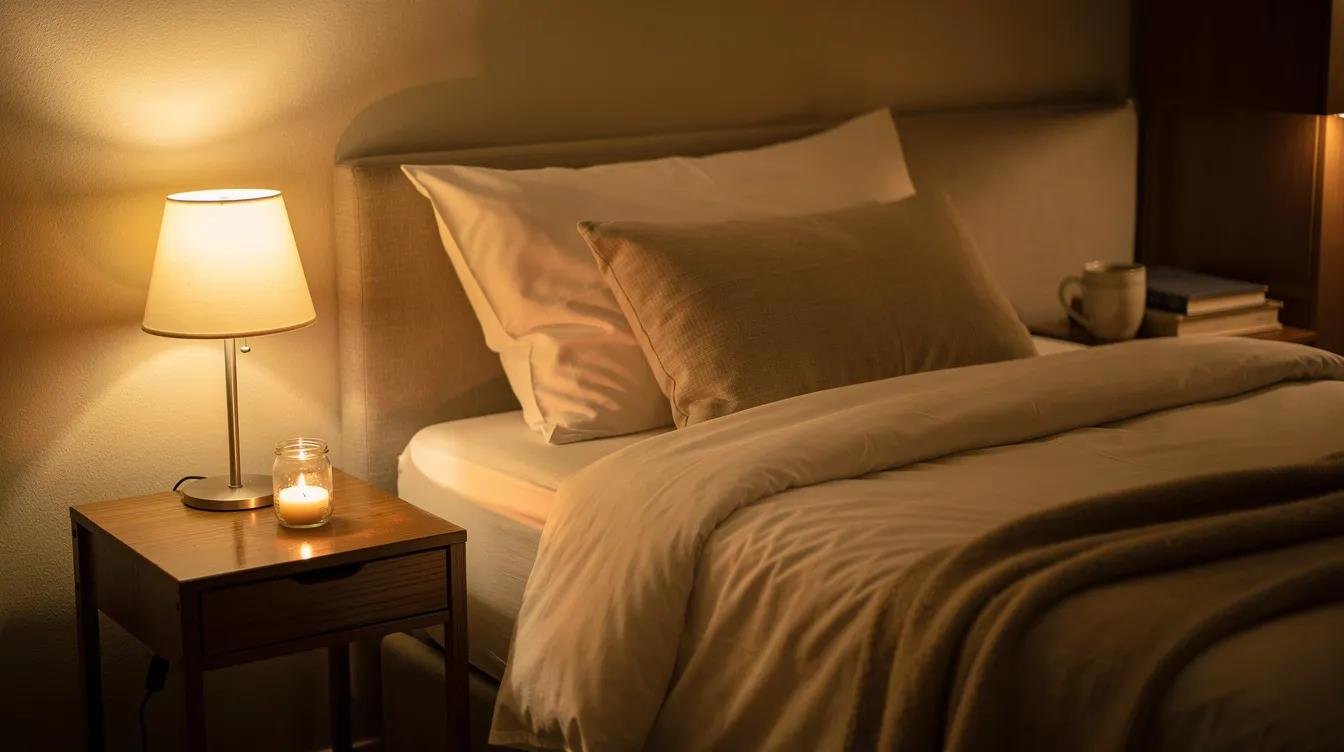
Creating an atmosphere with dim lighting and calming sounds can improve relaxation. A bedside lamp turned low, a candle, or a playlist can shift your headspace from "task mode" to "pleasure mode." Comfortable bedding and clothing enhance the experience of solo pleasure routines-fresh sheets or a soft robe can be a game changer.
Choose a main location-bed, couch, shower-and keep a grab-and-go basket or drawer nearby so setup isn't a barrier. If everything is already in one spot, you eliminate the friction that makes you forget about the whole idea.
For digital prep: silence notifications, close work tabs, and consider airplane mode. Checking your phone first thing can disrupt your morning routine, and the same applies here-notifications pull you out of your body and into someone else's world.
Warm-Up: Slowing Down Before You Touch Genitals
A good warm-up-even just 5 minutes-usually leads to more pleasure and better orgasms than jumping straight to intense stimulation. Think of it the same way you'd think about stretching before a run. You wouldn't sprint cold, and your body responds the same way here.
Focusing on the journey of sensation can reduce pressure to achieve specific outcomes. When you slow down, you give your nervous system time to shift gears. Here are concrete warm-up options:
- A short stretch or a few minutes of breathing exercises to settle into your body.
- Applying lotion or oil slowly across your arms, legs, and torso.
- Listening to one song that puts you in the right headspace.
- A brief hot shower or warm washcloth on your neck and chest.
Exploring full-body touch broadens the experience beyond genital stimulation. Try non-genital touch first: neck, shoulders, inner thighs, chest, scalp massage, or tracing your arms and hips over clothing. This builds arousal gradually rather than forcing it.
You might also experiment with fantasy, erotic audio, or reading instead of immediately opening a video. This slower approach gives your imagination space to participate, which often makes the rest of the session richer.
As a side note, ten minutes of power walking can add years to your life-and it also happens to be a surprisingly effective warm-up for solo pleasure if you're feeling sluggish. A brief walk gets blood moving and clears mental fog, which makes it easier to feel present once you're back in your space.
Choosing the Right Context: Media, Fantasy, or Mindfulness
There are roughly three "contexts" you can choose for any session:
Context What it looks like Best for
Explicit media Porn, erotic audio, written erotica Quick arousal, novelty
Internal fantasy Imagination, memory, daydreaming Deep presence, creativity
Mindfulness/sensation focus
Breath awareness, body sensations only
Reconnecting with body, reducing overstimulation
Incorporating mindfulness can enhance the solo pleasure experience. Mindfulness practices emphasize being present with sensations and avoiding judgments-which is exactly the skill that makes solo pleasure more satisfying over time.
If you usually rely on one context exclusively, try rotating. Like changing playlists for workouts, switching between media, fantasy, and mindfulness keeps your routine from feeling stale. Try at least one mediafree session per month to see how it feels-you might be surprised how much your body can create on its own.
Gently notice whether specific content leaves you feeling better or worse about yourself and your desires. Some research suggests that media exposure can create unrealistic expectations, so media-free sessions act as useful resets.
Experimenting With Touch and Techniques
This is the core of the routine: a standing date with yourself to explore different ways you like to be touched. Self-exploration helps identify personal preferences and boundaries for pleasure, and it's an ongoing process-not a one-time discovery.
The simplest approach: change one variable per session.
- Pressure: lighter or firmer than usual
- Speed: slower or faster
- Rhythm: steady vs. alternating
- Angle: shift your hand position or body posture
- Lube amount: more or less than your default
- Location on your body: outer touch vs. internal, different zones
For different bodies: circular motions vs. up-and-down movements, using a pillow for pressure, or trying different positions (on your back, side, sitting up). There's no hierarchy here-what works is what matters.
Take "observation breaks" during a session. Pause for a few seconds and notice what actually feels good instead of chasing what you think should feel good. This kind of attention is a form of personal development that carries into other areas of life-learning to listen to your own body is a skill with broad applications.
Using Toys: Simple Rotation That Keeps Things Fresh
Using the same toy the same way every time can lead to habituation-your body adjusts to the specific pattern of stimulation and responsiveness plateaus. Toy rotation reduces desensitization, increases novelty, and keeps curiosity alive.
You don't need a big collection. Start with a small "toy capsule" of 1–3 items:
- One external vibrator
- One internal toy (if that appeals to you)
- One non-vibrating item like a wand, plug, or textured sleeve
Here's a sample rotation pattern across a month:
Week Focus
Week 1 Hands and lube only
Week 2 Add one vibrator
Week 3 Experiment with a different toy
Week 4 Media-free + toy-free reset
This rotation keeps your body responsive and your mind engaged without requiring you to buy new habits every month.
Safety basics matter. Use body-safe materials: medical-grade silicone, borosilicate glass, or stainless steel. Avoid porous materials that trap bacteria. Check manufacturer guidance on charging and cleaning. If you share toys, use a condom or clean thoroughly between uses. For anal play, always choose a toy with a flared base.
Integrating Solo Pleasure Into Your Daily Routine
Solo pleasure works best when it's woven into your broader routine rather than floating unanchored. Think of it like habit stacking-attaching a new habit to an existing one. A morning routine can enhance productivity and mood, and the same principle applies to intentional pleasure: it sets a tone for how you relate to your body the rest of the day.
Here are example patterns:
- A short, gentle session once or twice on quieter weekdays, paired with your evening routine (after a shower, before bed).
- One longer exploratory session on Sundays, maybe after a bath or stretch block.
- A spontaneous 5-minute session during free time when the mood strikes.
Focus on consistency rather than perfection in goal setting. You don't need to accomplish something dramatic every session. Consistency builds self-trust and momentum over time, making the routine easier to stick with-showing up regularly, even briefly, matters more than intensity.
Plan around your natural energy cycles. Some people prefer winding down at night, others like a midafternoon reset on days off. Solo pleasure should feel like one supportive pillar in your routine, not something that crowds out sleep, food, or relationships. Keep that balance in mind.
Working With Your Schedule, Mood, and Energy
Most people feel too drained after work or caregiving to create anything elaborate. That's normal. The solution isn't to force it-it's to have flexible, low-effort options ready.
Think in tiers:
- Tier 1 (5 minutes): Light touch, fantasy, or a few minutes of breathing and body awareness. Good for days when energy is low but you want some connection with your body.
- Tier 2 (15–20 minutes): A focused session with setup, warm-up, and your preferred technique. The standard weekday option.
- Tier 3 (30+ minutes): Full exploration-new toys, slower buildup, multiple techniques. Best for weekends or days off when you have genuine rest to spare.
Your morning routine begins the night before with your alarm-and similarly, your solo pleasure schedule benefits from light planning. If you know Wednesday evenings are quieter, pencil that in. If Saturday mornings are when you feel most curious after waking, protect that time.
Adjust based on mood: if you're anxious, include more breathwork. If you're feeling low, make the goal gentle soothing rather than orgasm. If you catch yourself forcing it just to meet an internal "should," give yourself permission to stop. Switch to another self-care activity-a walk, a stretch, even making your bed. None of this is failure. It's data.
Finding Pleasure in Celebrating Small Wins
In the context of solo pleasure, celebrating small wins looks like this:
- Trying a new stroke or pressure and noticing how it felt
- Staying present for 3 full breaths during a session
- Using lube for the first time
- Ending without orgasm but feeling calmer and more connected to your body
The Progress Principle states that small daily progress boosts fulfillment. Daily progress on goals leads to greater fulfillment, and this applies to pleasure as much as productivity. A daily win doesn't have to be an orgasm-it can be a moment of genuine curiosity or presence.
Writing down goals increases the likelihood of following through. Tracking progress can be done with simple checklists or journals. Try noting 1–2 small wins per week in a private note-no word count, just short phrases. A simple checklist or one page in a journal is enough. You could even use a habit tracker to see patterns over the course of a month.
Celebrating small wins enhances motivation and self-esteem. Measuring progress enhances enjoyment of routines. When you notice what's working, you naturally do more of it. When you spot what isn't working, you adjust without shame. This is how you stay motivated and keep making progress.
Navigating Social Media Myths and Comparison
Social media can distort expectations about sex, bodies, libido, and "how often" people masturbate. The curated routines you see in more posts and reels aren't real-they're content. Your routine is private. It doesn't have to be shareable, aesthetic, or match viral "that girl" daily routine clips.
Focusing on personal progress prevents unhealthy comparisons. If certain accounts make you feel ashamed, pressured, or inadequate about your sexual habits, unfollow or mute them. Look instead for educators and creators who emphasize consent, body diversity, and self-acceptance.
Research shows that solo masturbation rates have remained stable even as other forms of sexual activity have declined-suggesting that most people are already doing this regardless of what the world of social media presents. You're not behind. You're not broken. You're just building something that fits you, which is the whole point.
Aftercare: Cleanup, Storage, and Resetting the Space
Aftercare is the closing ritual. It's the part that turns a session into a complete experience rather than something you rush past. Think of it the way making your bed daily creates a sense of completion for your morning-aftercare does the same for your solo pleasure time.
Practical cleanup steps:
- Wipe toys with a damp cloth or rinse under warm water.
- Wash with mild soap according to the toy's material (non-porous materials like silicone and glass
are easiest to sanitize).
- Air-dry completely before storing.
- Place in a clean, dry pouch, box, or drawer.
For shared homes, discreet storage solutions include lockable boxes, opaque toiletry bags, or top-shelf containers that blend in with other items. Keep toys separate from each other to prevent material reactions.
Post-routine activities like hydrating and journaling can reinforce a pleasurable experience. After cleanup, try a short emotional reset: 3 deep breaths, a glass of water, a quick note on what you enjoyed, or a gentle stretch. This gives you a clean slate before you re-enter the rest of your day or night.
Checking In: What Actually Feels Good (and What Doesn't)
Encourage yourself to reflect-weekly or monthly-on what patterns are emerging. Journaling about pleasure sessions helps track preferences over time. Self-reflection is essential in developing a healthier relationship with pleasure, and it doesn't need to be elaborate.
Use this simple structure after several sessions:
Category Prompt
More of this What consistently brought pleasure?
Less of this What caused discomfort, boredom, or stress?
Curious about this What do you want to try next?
If something repeatedly causes pain, numbness, or emotional distress, that's a cue to pause that practice. Cleveland Clinic notes that physical risks include tissue sensitivity from rough or repetitive stimulation, and emotional risks include guilt or shame that undermines the experience.
Your preferences will change over months and years. What felt like a game changer at 25 might feel boring at 35. What you couldn't imagine trying last year might become your favorite thing. Changing preferences are normal, not a sign of "brokenness." You're not the same person you were, and your routine shouldn't be either.
Adapting Your Routine Over Time
Life stages naturally change everything: a new job, illness, parenting, perimenopause, aging. Your libido, your available time, your privacy, and your energy all shift. A sustainable solo pleasure routine adapts to changing desires and life circumstances-that's what makes it sustainable.
Revisit your routine every few months:
- Has your schedule changed? Adjust timing.
- Are your toys still interesting? Rotate or retire.
- Has your mental health shifted? Adapt intensity and goals.
- Are you in a new routine entirely? Rebuild from what works now.
Seasonal changes matter too. Darker winter evenings might invite longer bath-and-solo-session combos. Busy summer months might call for shorter, spontaneous ones during a quiet morning or afternoon. Selfdiscipline builds integrity and trust in oneself, and the discipline here is in showing up for yourself regularly-not rigidly.
This adaptation is not a lack of control. It's a sign of a healthy relationship with pleasure and a better version of your routine than whatever you started with. Your future self will benefit from the flexibility you build now. Think of it as personal development-getting to know yourself across your entire life, not just in one chapter of it.
When to Pause, Slow Down, or Seek Support
There are clear signs that it's time to step back:
- Persistent pain or chafing that doesn't resolve with rest
- Feeling emotionally worse after most sessions
- Using solo pleasure primarily to numb emotional distress rather than to feel good
- Noticing compulsive patterns that interfere with sleep, work, or relationships
Self-discipline is essential for achieving personal goals, and sometimes the most disciplined choice is to pause. If you're struggling with any of these patterns, that's not a failure-it's information.
When to consider professional support:
- Sexual pain that doesn't improve with technique changes
- Trauma history that surfaces during solo pleasure
- Sudden libido shifts connected to medication
- Behavior that feels out of control despite wanting to change
Sex therapists, pelvic floor physical therapists, and medical professionals can provide individualized guidance. Reaching out for help is part of caring for your mental health and sexual well-being-not a sign that you couldn't "figure it out alone." Don't miss the chance to get support when you need it. You don't have to hope it resolves on its own.
Building a solo pleasure routine that fits you isn't about perfection, laser focused discipline, or matching what anyone else does. It's about showing up for yourself with curiosity, flexibility, and a willingness to learn. Start with one small change this week. Notice what shifts. You can always start tomorrow if today doesn't feel right-and that's completely fine.
You don't need to accomplish all the things at once. You don't need new habits stacked on top of each other before you're ready. Just begin where you are, build consistency at your own pace, and let the routine serve you rather than the other way around.
FAQ
How often is it "healthy" to masturbate?
There is no universal "right" number. Studies don't identify a single target frequency for all people, and no health organization sets a benchmark. It's generally considered healthy as long as it doesn't cause pain, disrupt your sleep or obligations, or feel compulsive. Focus on how your current pattern affects your mood, energy, and relationships rather than chasing a number. If solo pleasure leaves you feeling calmer and more connected to your body, that's a good sign. If it consistently drains you or creates guilt, that's worth examining-possibly with a professional.
What if I never or rarely reach orgasm during solo sessions?
Orgasm is not the only marker of a worthwhile session. Pleasure, relaxation, and curiosity all count as success. Many people find that focusing on the journey of sensation-rather than the destination-actually makes orgasm more likely over time, because it removes performance pressure. Experiment with slower buildup, more lube, different angles or toys, and longer warm-up periods over several weeks. If orgasm has always felt impossible or distressing, a medical provider or sex therapist can help identify physical or psychological factors at play. This is a sense of care, not a sign of being broken.
Can a solo pleasure routine hurt my partnered sex life?
This is a common fear, but for many people, knowing their own body better actually improves communication and pleasure with partners. Research suggests that solo and partnered pleasure can be complementary rather than competitive. If you're concerned, talk openly with a partner about your routine. Frame it as self-care-like exercise or journaling-rather than a judgment on the relationship. If your partner is a close friend and ally in your life, this kind of transparency usually strengthens connection rather than threatening it.
How do I find time for solo pleasure in a busy schedule?
Start with very small time blocks-5 to 10 minutes, once or twice a week. Treat them like any calendar appointment you wouldn't skip. You can also try pairing solo time with existing habits (habit stacking): after a shower at night, during a quiet weekend morning, or whenever you already have built-in rest. Frequency can grow or shrink with your season of life. Consistency matters more than perfection, and even a brief session once a week is a better foundation than an aspirational plan you never follow through on. Don't wait for the "perfect" block of free time to appear-it rarely does.
Is it normal if social media or porn is part of my routine?
Many people use media as part of solo pleasure, and this is not automatically harmful. It becomes worth examining when specific content leaves you feeling worse about yourself, your body, or your desires-or when you can't get aroused without it. Try an occasional media-free session to check in with your body's own responses. Think of it as a reset, not a punishment. If you find that media-free sessions are difficult but ultimately satisfying, that tells you something valuable. And if media remains a helpful, enjoyable part of your routine without negative effects, there's no reason to force it out. The goal is awareness, not restriction.