
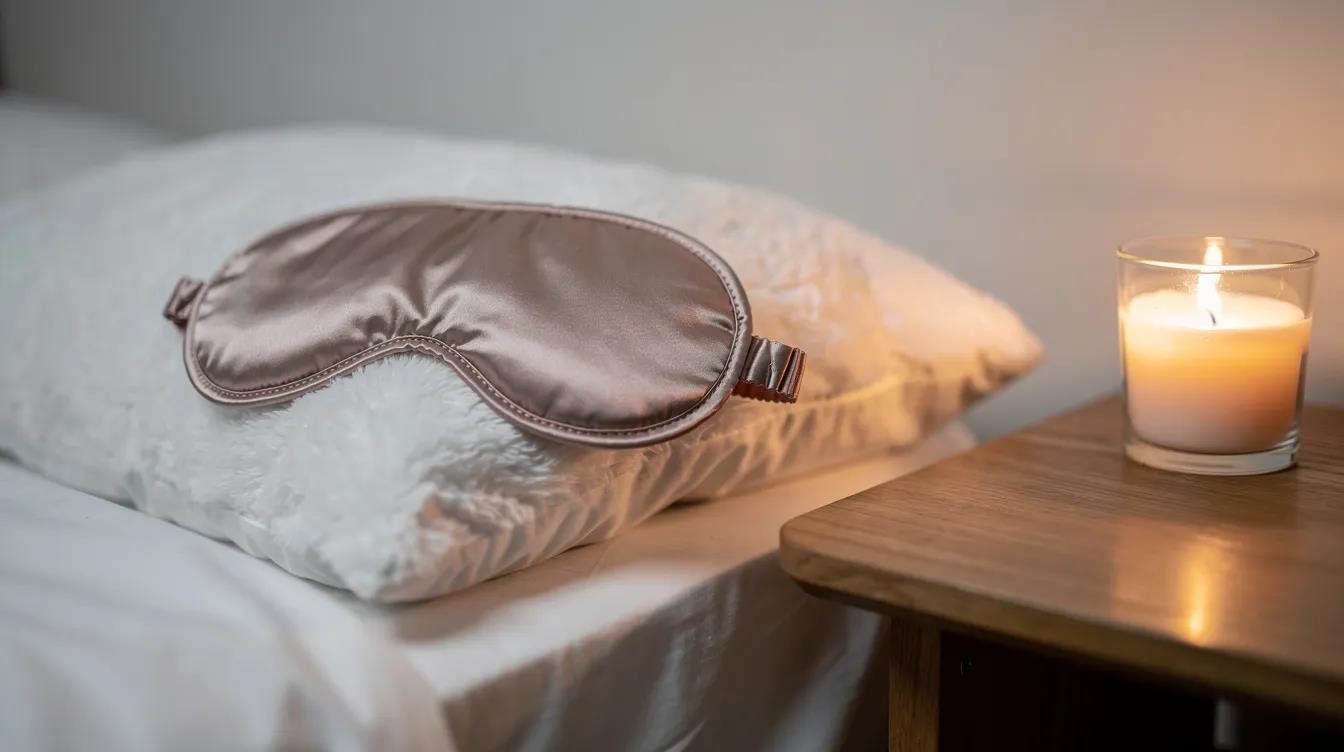
Removing sight is the simplest way to make every whisper, touch, and breath feel dramatically more intense. This beginner's guide to blindfolds and sensory deprivation in BDSM covers everything you need to know-from choosing the right materials to setting up your first scene safely-so you can experiment with confidence.
Key Takeaways
This is a beginner's guide to blindfolds and gentle sensory deprivation in BDSM, built around three pillars: safety, communication, and trust. If you're new to sensory play, a simple blindfold or sleep mask is the safest, most accessible starting point-blindfolding is a low-risk, low-cost entry point that can create an amazing shift in how touch, sound, and anticipation register during play.
Beginners should start with short sessions of 5–15 minutes, simple tools, and pre-agreed safewords or non-verbal signals. Choosing the right blindfold material and fit-soft, opaque, quick-release-matters just as much as technique. This guide also covers pairing blindfolds with touch, temperature play, and toys, plus cleaning instructions and a buying checklist to help you sort through your options at checkout.
Beginner's Guide: What Is Sensory Deprivation & Why Start With Blindfolds?
Sensory deprivation in a BDSM context means consensually reducing or removing one or more sensesmost often sight, sometimes hearing or touch-to heighten what remains. The spectrum ranges from a silk scarf draped over the eyes to full isolation with hoods, earplugs, noise canceling headphones, and even speech restriction. Sensory deprivation gear includes blindfolds, hoods, and earplugs, but this article focuses on the lightest end: covering the eyes.
The primary sensory channel is visual, accounting for approximately 80% of sensory input. When you block that dominant stream, the brain reallocates focus to other senses. Touch becomes sharper. Sound becomes richer. Even taste and smell can register more vividly. Think of it this way: watching a movie cuddled on the couch with a partner, you can brace for every jump scare. Now imagine that same scene blindfolded-every surprise squeeze of the hand, every shift in the soundtrack hits harder because your inability to see removes the chance to prepare. That shift from prediction to pure anticipation is what makes blindfolds so potent.
It helps to clarify the terminology early. Light sensory play involves textures, feathers, silk, or ice while senses remain open. Deeper sensory deprivation involves blindfolds, earplugs, hoods, or full isolation. Blindfolding is ideal for beginners in sensory deprivation because it sits right at the boundary-one sense removed, every other sense turned up. Hoods provide stronger sensory isolation than blindfolds, but they introduce breathing concerns and are a step most people take only after comfort with simpler forms.
The goal of sensory deprivation is relaxation or exploration rather than enduring discomfort. Common reasons beginners try blindfolds include:
- Building trust: Surrendering vision to a partner deepens emotional connection.
- Increasing anticipation: Not knowing what comes next makes every sensation feel heightened.
- Calming performance anxiety: Without sight, self-consciousness fades.
- Exploring control and power exchange: Blindfolds can create a sense of control and intimacy in partnered contexts, and using blindfolds can improve vulnerability and trust.
How Blindfolds Change Sensation: The Beginner's Experience
Picture a quiet evening in August 2026. Candles are lit, music is low, and your partner ties a soft satin mask over your eyes. For the first few seconds, the absence of vision feels disorienting-a bit jarring. Then your hearing sharpens. You notice the rhythm of their breathing, the creak of the mattress, the faint warmth of a hand hovering above your skin before it makes contact. Time stretches. A ten-minute session can feel like thirty.
This is the paradox of deprivation: losing sight feels like a loss, yet it delivers richness. Sensory deprivation heightens remaining senses significantly, and the experience can be genuinely amazing. Touch becomes more intense because you can't see it coming. Sound-a whisper, a breath-carries emotional weight it normally wouldn't. Removing sight amplifies touch, sound, and temperature sensations in a way that is hard to replicate any other kind of way.
Psychologically, several things happen at once. Anticipation builds because you don't know what's next. Vulnerability surfaces because vision is the primary tool most people use to maintain control. Your focus narrows to your partner's presence-their voice, their movement, the warmth of their body. Sensory deprivation can enhance mindfulness and focus, almost like a form of meditation. Short, voluntary sensory deprivation can lead to relaxation, while prolonged deprivation may cause distress-which is why keeping early sessions brief matters.
In simple neuroscience terms, the brain exhibits cross-modal plasticity: when one sense is muted, cortical resources shift toward the remaining inputs, making the blindfolded person more responsive to everything else. Heightened proprioception occurs when vision is removed, meaning you become more aware of where your own body is in space.
Here are a few concrete examples of how simple actions feel different with a blindfold:
- Fingertip tracing the forearm: Without sight, each hair follicle's movement, the skin's texture, and temperature variation register more clearly. Blindfolding can make gentle touches feel electric.
- Warm breath at the back of the neck: Unpredictable and sudden without visual warning.
- Ice cube along the thigh: The cold contrast feels sharper and more dramatic.
- A toy switched on suddenly: The vibration arrives without signal-heart rate spikes more than if you watched it coming.
Blindfolds enhance touch and anticipation during sensory play, and sensory deprivation can create intense psychological experiences. Reducing visual input can even lower stress and anxiety levels in some people. That said, hallucinations can occur during intense or prolonged sensory deprivation experiences, which is one more reason beginners should stick to the lightest forms and keep sessions short.
Choosing & Fitting a Blindfold: Materials, Comfort, and Safety
You don't need expensive gear to start. Many people experiment with an everyday sleep mask they already own. But materials and fit affect comfort, safety, and how well the blindfold does its job. Use comfortable and easily removable materials for any sensory deprivation device.
Common Blindfold Types
Type Pros Cons
Satin sleep mask Soft, lightweight, affordable May leak light; limited coverage
Padded leather/faux leather Durable, full light block Can retain heat; heavier on the head
Elastic fabric mask Stretchy, adjustable Risk of being too tight or slipping
Scarf or silk tie Accessible, sensual feel Often translucent; hard-to-undo knots
Molded foam contoured mask
Avoids pressure on eyes and nose More expensive; harder to clean
Fit Considerations
- The mask should rest on brows and cheekbones, not press directly on the eyes.
- Straps should be adjustable and allow one-hand removal.
- Not so tight it causes headaches or discomfort; not so loose it lets in light.
- Position straps carefully over long hair to avoid pulling.
- Be aware that some materials (faux leather, vinyl) may stick to skin when sweaty.
What to Avoid
- Hard knots at the back of the head that you can't undo quickly.
- Elastic that digs into skin or blocks circulation.
- Duct tape near the face-ever.
- Anything that could slip and block the nose or mouth.
Accessibility Notes
Glasses wearers may prefer deeper, contoured masks. People with migraine history should look for molded masks that don't press on eyelids. If you have latex allergies, choose natural or non-latex materials. Those with claustrophobia should avoid full-face coverage initially and consult a professional if the sensation triggers panic.
Communication, Consent & Setting Up Your First Scene
Removing sight also removes a major non-verbal communication channel-eye contact, facial expressions, visible reactions. That makes verbal planning and consent more important than usual. Clear communication is essential for safe sensory deprivation practices, and communication should remain ongoing during every session.
Pre-Scene Checklist
- Discuss boundaries: What sensations are on or off limits? ("No face slapping," "no sudden loud noises.")
- Establish a safe word before beginning any sensory deprivation exercises. The traffic light system works well: green (keep going), yellow (slow down), red (stop immediately).
- Plan non-verbal signals: Squeezes (one = okay, two = pause, three = stop) or dropping a held object like a small bell.
- Share medical concerns: Anxiety, claustrophobia, vertigo, disorientation triggers.
- Agree on session length: Start sensory deprivation sessions with 5–15 minutes.
Setting the Space
Physical safety involves clearing the environment of hazards before sensory deprivation. Remove tripping risks, push furniture back, and keep water and a towel within reach. Watch out for sharp overhead light that could be jarring when the blindfold comes off-use soft, dimmable sources instead. Set a timer so neither partner loses track of time. Participants should avoid combining sensory deprivation with activities requiring vision or balance-keep the blindfolded person seated or lying down.
Rules for the Topping Partner
- Never leave a blindfolded person alone during play.
- Stay verbally present: narrate gently, check in every few minutes.
- Move slower and lighter than you normally would-sensations feel amplified.
- Watch body language closely: breathing changes, muscle tension, skin color shifts.
A Simple First-Scene Script
Have the blindfolded person lie comfortably on the bed. Place the blindfold on together while both are relaxed. Begin with touch over clothing-fingertips trailing down the arm, light massage along the shoulders. Skip advanced toys for now. Keep the session to 10–15 minutes, then remove the blindfold slowly, allow the person to reorient, and debrief: what felt good, what was unexpected, any discomfort. Consent and safety are crucial in all sensory deprivation practices. Use clear signals to communicate throughout.
Pairing Blindfolds with Touch, Sensory Play & Temperature Play
Once basic blindfold play feels comfortable, you can layer in new elements one at a time. Gradual acclimation helps individuals adjust to sensory deprivation without becoming overwhelmed.
Beginner-Friendly Touch Ideas
- Fingertips vs. whole palm (light, feathery contact vs. broad warmth)
- Nails lightly scratching over clothed skin
- A feather tickler or soft faux fur
- Hair brushing across the shoulder
- Gentle spanking over clothing to manage intensity
Mild Temperature Play
- Ice cubes wrapped in cloth-cold but not biting against the skin
- A warmed metal spoon (dipped in warm water first-test on yourself)
- Lukewarm massage oil applied slowly
- Warm breath from your mouth vs. cool air from a nearby fan
Removing sight can amplify temperature sensations dramatically. Avoid extreme temperature playboiling wax or ice pressed directly on sensitive areas for long periods-in a beginner's context.
Light Bondage Pairing
For those ready to experiment further, try combining a blindfold with very light restraint: soft wrist cuffs with slack, rope loosely looped (never tight), or simply asking the blindfolded person to keep their hands above their head. Keep hands accessible enough for signaling. Bondage combined with blindfolds intensifies surrender and vulnerability, but don't stack too many new elements into a single session.
Scene Ideas for Inspiration
- Sensory treasure hunt: Use varied textures across the body; the blindfolded partner guesses each one.
- Blindfolded massage: Alternate between different oils and temperatures.
- Soundtrack session: Whisper instructions over a curated playlist; alternate silence and sound.
- Contrast play: Feather tickler followed immediately by a cool spoon-the switch in sensation keeps the person responsive and engaged.
Care, Cleaning & A Simple Buying Checklist
Caring for blindfolds properly keeps them hygienic and long-lasting, especially when they come into contact with sweat, makeup, or lube.
Cleaning by Material
- Satin/cotton: Hand-wash in cool water with mild soap. Air dry flat, away from direct sunlight.
- Leather/faux leather: Wipe with a damp cloth and mild cleaner. Dry completely before storing.
- Molded foam/neoprene: Wipe down; avoid soaking. Inspect for cracks regularly.
Storage
Keep blindfolds in a clean fabric pouch or drawer. Avoid exposure to perfumes, oils, or sharp objects. Leather should be stored in breathable covers away from heat.
When to Replace
Elastic that has lost its stretch, materials that fray, peel, or crack, seams coming loose near the eyes, or fabric that no longer blocks light effectively. If an unpleasant odor persists after washing, it's time for a new one.
Buying Checklist
Before you hit checkout at any shop, look for:
- Full opacity (no light leaks)
- Soft contact areas (eyelids, nose bridge)
- Adjustable strap with one-hand removal
- Body-safe, non-irritating materials
- Washable
- A style that feels appealing to you and your partner
A padded sleep mask at a regular price under $15 is a solid first purchase. If the experience clicks, consider an adjustable faux leather option from a reputable BDSM shop. There's no need to invest in hoods or complex gear until you're comfortable and knowledgeable.
FAQ
Below are answers to common concerns not fully covered above-especially around nerves, solo play, and practical logistics. Feel free to drop your own questions in the comments.
Is being blindfolded safe if I have anxiety or panic attacks?
Many people with mild anxiety enjoy blindfold play when approached slowly. Keep your first session very short-around five minutes-and agree that removal is instant on request. Avoid combining the blindfold with loud surprises or heavy restraint. A trial run in a non-sexual context, like a blindfolded hand massage during the day, can help you feel how your body responds. Sensory deprivation can trigger
panic or disorientation in some individuals, so if you have a history of severe PTSD or feel activated by having your vision restricted, it is completely valid to skip this kind of play. Consult a mental health professional if you're unsure.
Can I do blindfold and sensory deprivation play solo?
Solo blindfold play is possible and can be arousing-using a blindfold during masturbation or with a vibrator, for instance. However, it carries additional risks: the inability to notice emergencies, tripping, or losing track of time. Stay seated or lying down, keep the space clear, avoid any form of self-bondage while blindfolded, and set a timer. More intense sensory deprivation-earplugs plus blindfold plus restraint-should never be attempted alone.
How long should a beginner's blindfold session last?
Five to fifteen minutes is a solid starting range. The sensory and psychological effect builds quickly, and overwhelming the nervous system is easier than you'd expect. Debrief afterward and decide together whether to extend future scenes by five to ten minutes. Some experienced players enjoy much longer sessions, but there is no goal length-comfort, connection, and consent matter more than duration.
Do I need to buy a special BDSM blindfold, or is a normal sleep mask enough?
A soft, opaque sleep mask from any regular store is often perfect for a first experiment-it keeps costs low and the barrier to entry minimal. Purpose-made BDSM blindfolds offer benefits like thicker materials, better light blocking, contouring around the nose bridge, and adjustable straps. Upgrade if you enjoy the experience and want better fit, durability, or aesthetics, but your first step can be as simple as a mask you already wear for sleeping.
What if my partner feels silly or laughs when we try blindfolds?
Completely normal. Nervous laughter is one of the most common reactions to novelty and vulnerability. Pause, talk about it, maybe crack a light joke together. Then either ease back into a gentler versionshorter time, touch over clothing-or decide to stop for the night with zero pressure. Building comfort and trust over multiple attempts matters far more than nailing it the first time. Laughter can be part of the bonding process, and over time those giggles tend to give way to something deeper. Plan to link these early experiences to future sessions rather than treating any single attempt as pass-or-fail.